Tfaddalu
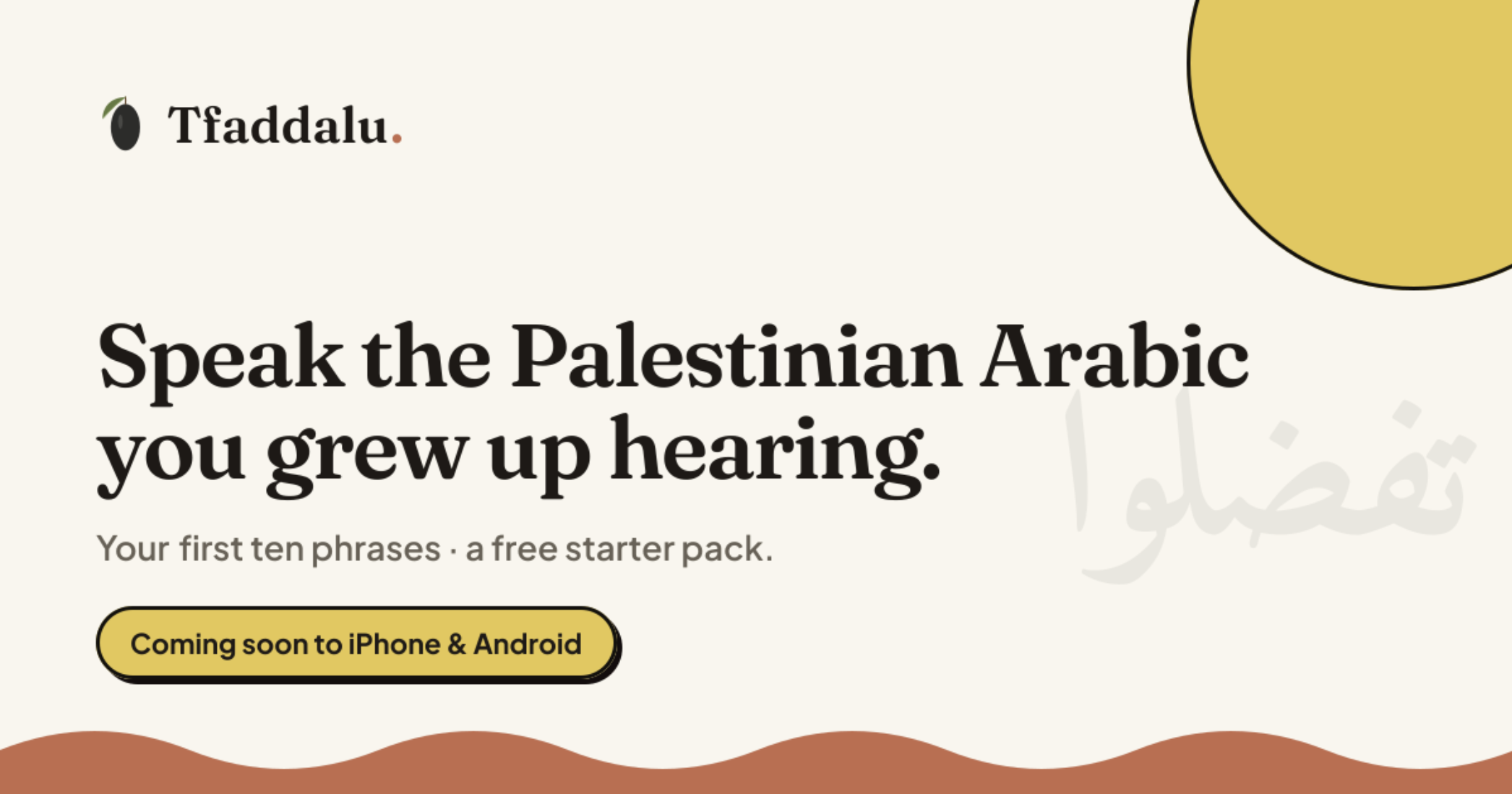
Speak the Palestinian Arabic you grew up hearing.
Tfaddalu teaches spoken Palestinian Arabic: the everyday urban dialect, not formal Modern Standard Arabic. It's built for people who grew up hearing the language at home but were never able to speak it back.
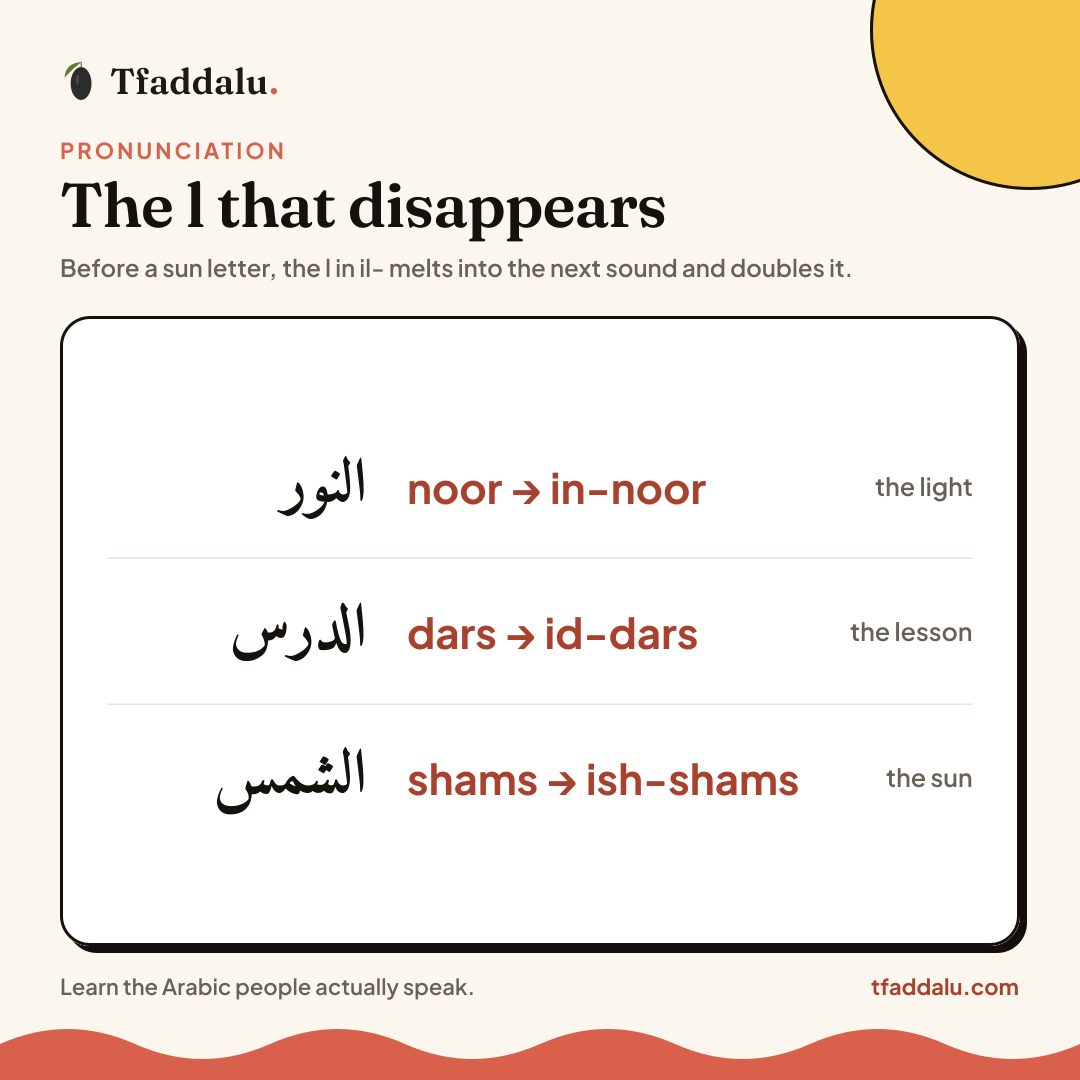
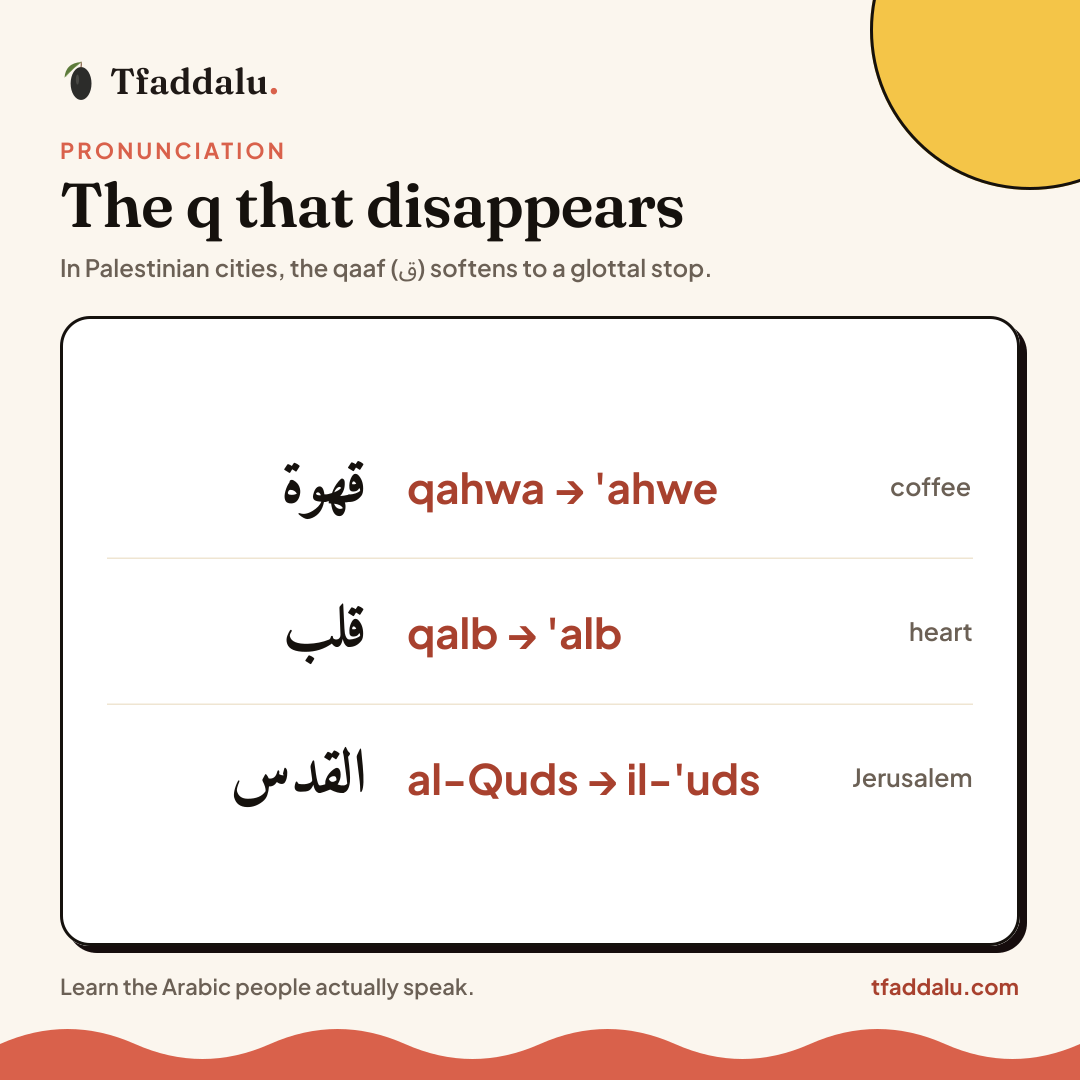
Every word and phrase is native audio, so you pick up the pronunciation that text misses. Lessons follow real situations, like talking to relatives, ordering food, or getting through a phone call in Arabic, instead of grammar drills.
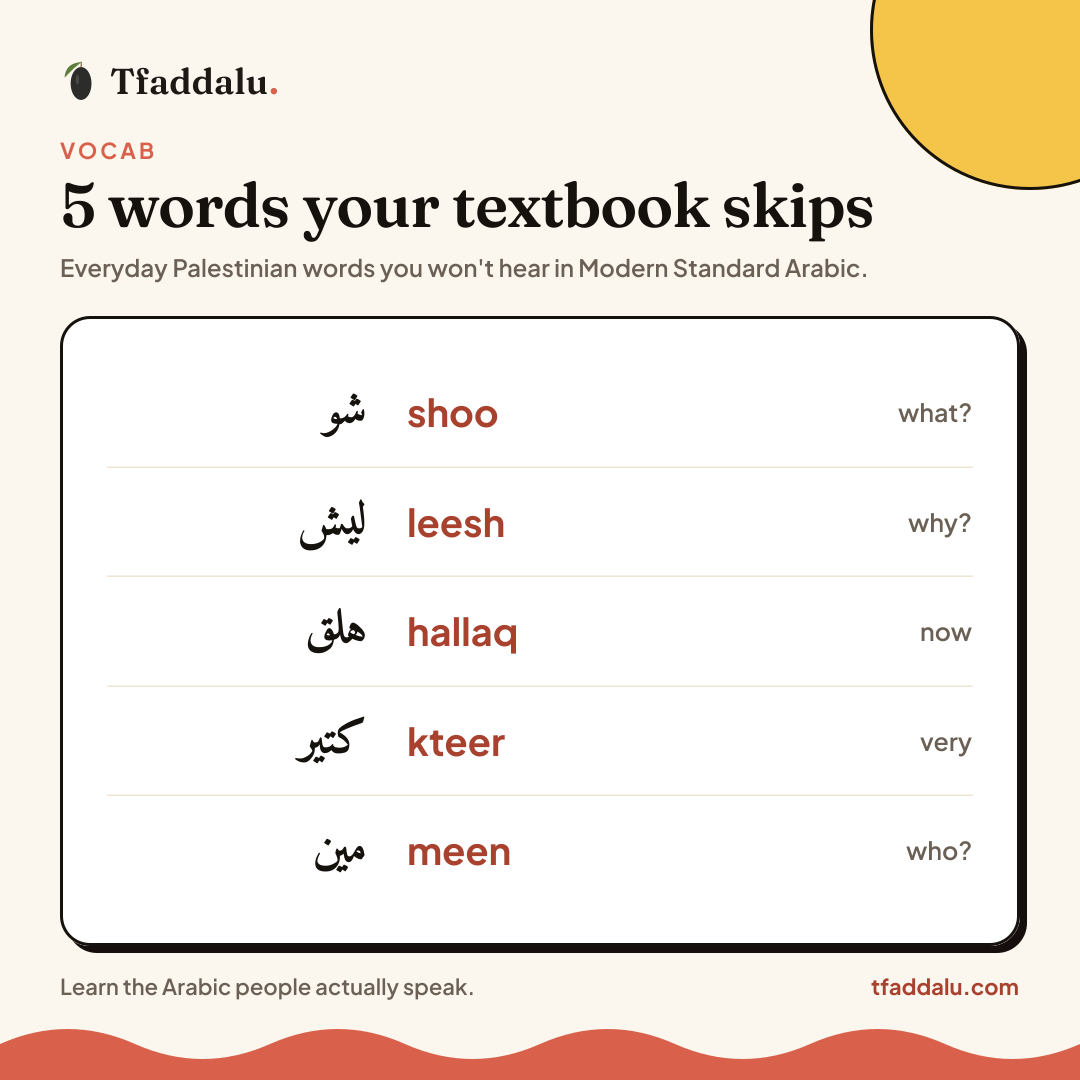
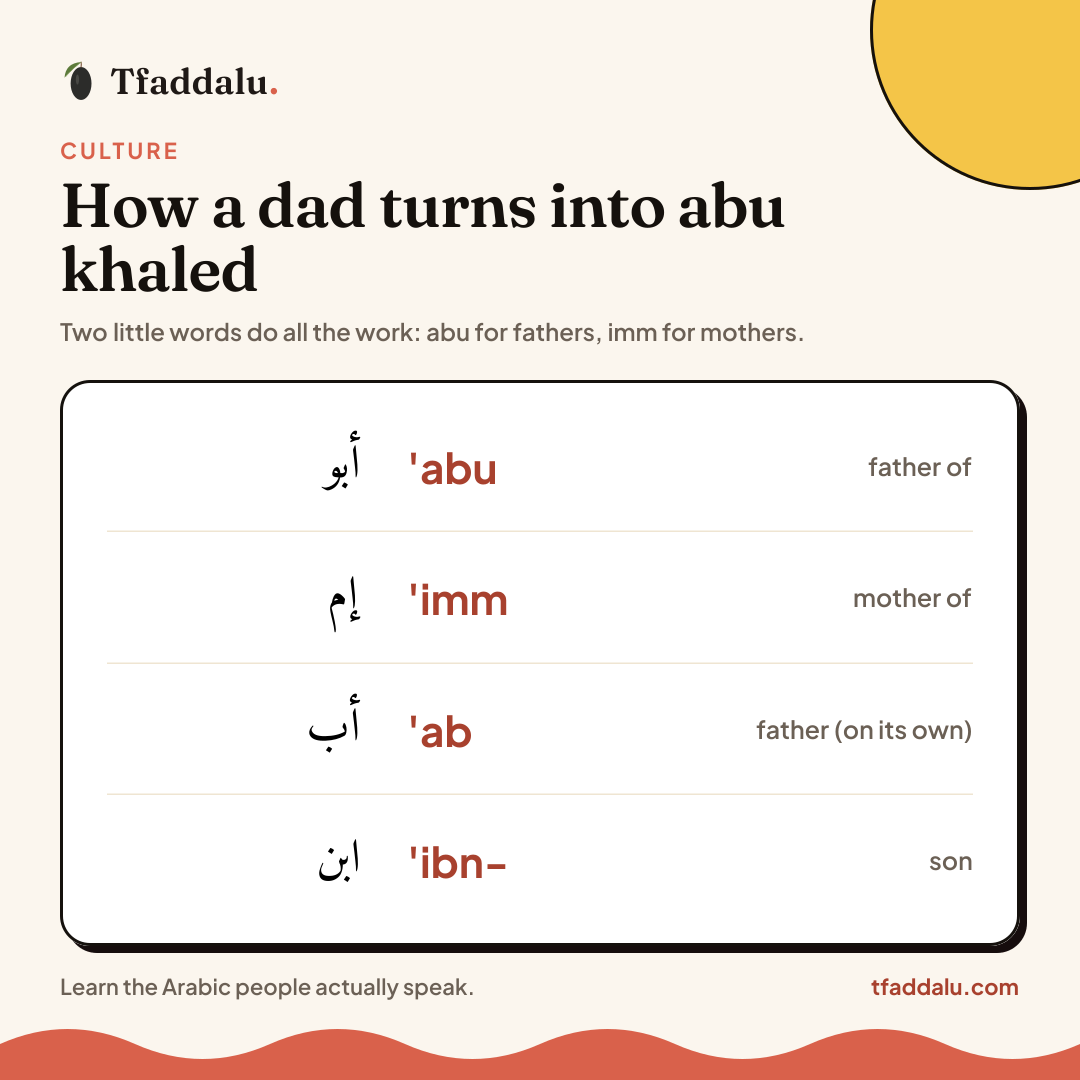
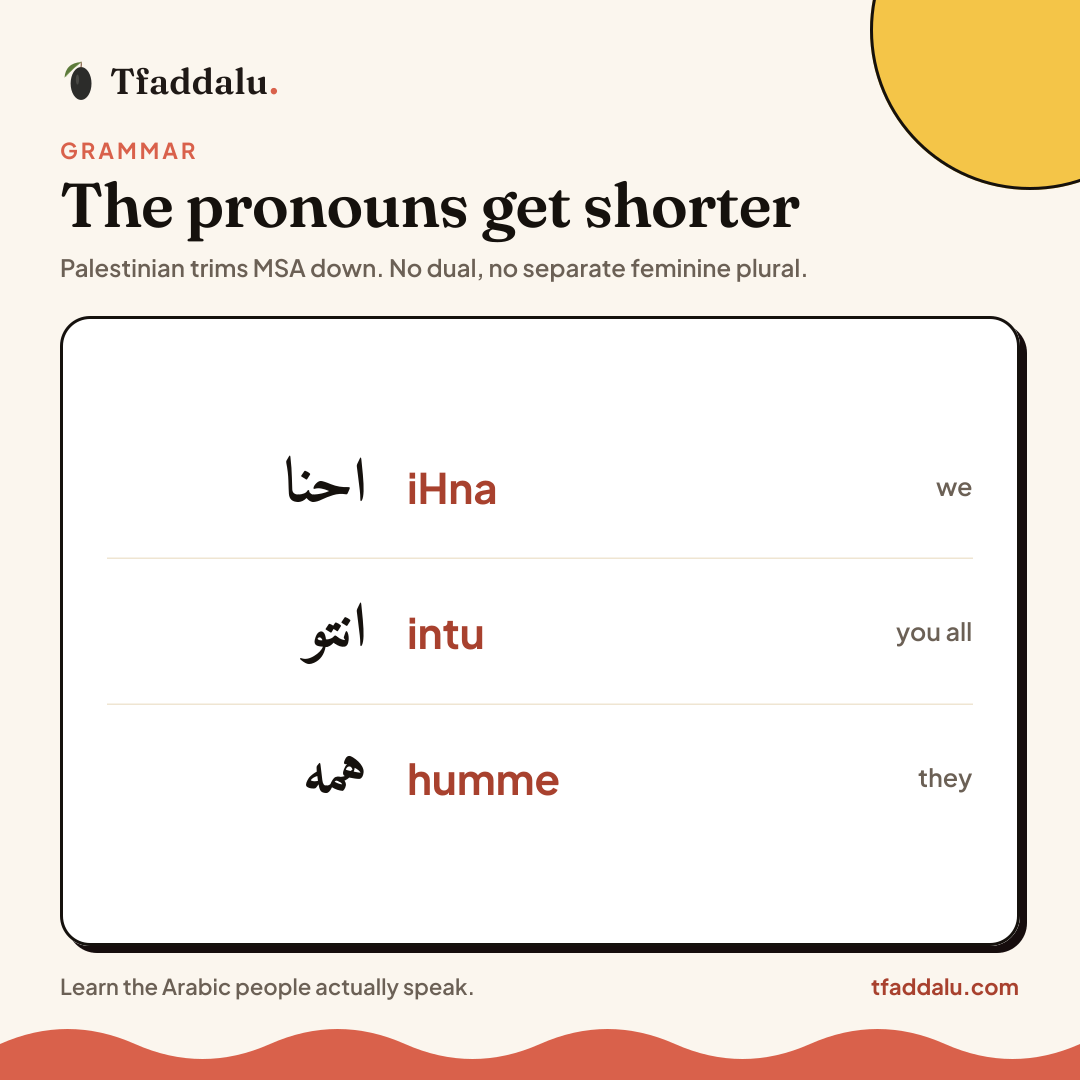
Each phrase appears in transliteration next to Arabic script, so you can start speaking right away and grow into reading later.
Features
- Audio for every word and phrase
- A single dialect, taught properly: urban Palestinian Arabic in its spoken form
- Transliteration shown alongside Arabic script, so the alphabet never holds you back
- Scenario-based lessons drawn from real family and everyday situations
- Short lessons that fit into a few spare minutes
Use Cases
- Hold a real conversation with parents, grandparents, or relatives in their dialect
- Follow what's being said at family gatherings instead of catching every third word
- Get ready for a visit to family, where formal Arabic won't help you at the table
- Reconnect with a language that surrounded your childhood but slipped away
- Build a base in spoken Palestinian before or alongside studying formal Arabic

Comments


This is such a needed product. Palestinian Arabic is one of those languages where formal study resources barely exist, and the gap between textbook MSA and what families actually speak is huge. The scenario-based approach (phone calls, family gatherings) makes it practical instead of academic. Diaspora learners who want to reconnect will find this incredibly valuable.

This solves a real gap in language learning. Most Arabic apps teach formal Modern Standard Arabic which nobody actually speaks in casual settings. The genius here is focusing on what people actually grew up hearing - the colloquial Palestinian dialect. The fact that every lesson is tied to real scenarios (family conversations, food, phone calls) instead of abstract grammar makes it so much more practical. The transliteration alongside Arabic script is also smart for learners who didn't grow up reading Arabic fluently. This feels like the right tool for diaspora communities trying to reconnect with heritage language.

I grew up hearing Palestinian Arabic but couldn't speak it back. Every app and course I tried taught Modern Standard Arabic, or a generic "Arabic" that no one actually speaks at home. None of them sounded like my family. So I built Tfaddalu for myself first. I kept it to the spoken urban dialect, and built the lessons around the situations I actually wanted to handle: talking to relatives, getting through a phone call, not catching every third word at a gathering. If you grew up around this language and lost it somewhere along the way, this is what I wish had existed.

Premium Products




































Sponsors
Buy

Makers
Makers
Comments
This is such a needed product. Palestinian Arabic is one of those languages where formal study resources barely exist, and the gap between textbook MSA and what families actually speak is huge. The scenario-based approach (phone calls, family gatherings) makes it practical instead of academic. Diaspora learners who want to reconnect will find this incredibly valuable.
This solves a real gap in language learning. Most Arabic apps teach formal Modern Standard Arabic which nobody actually speaks in casual settings. The genius here is focusing on what people actually grew up hearing - the colloquial Palestinian dialect. The fact that every lesson is tied to real scenarios (family conversations, food, phone calls) instead of abstract grammar makes it so much more practical. The transliteration alongside Arabic script is also smart for learners who didn't grow up reading Arabic fluently. This feels like the right tool for diaspora communities trying to reconnect with heritage language.
I grew up hearing Palestinian Arabic but couldn't speak it back. Every app and course I tried taught Modern Standard Arabic, or a generic "Arabic" that no one actually speaks at home. None of them sounded like my family. So I built Tfaddalu for myself first. I kept it to the spoken urban dialect, and built the lessons around the situations I actually wanted to handle: talking to relatives, getting through a phone call, not catching every third word at a gathering. If you grew up around this language and lost it somewhere along the way, this is what I wish had existed.
Premium Products
New to Fazier?

Find your next favorite product or submit your own. Made by @FalakDigital.
Copyright ©2026. All Rights Reserved