
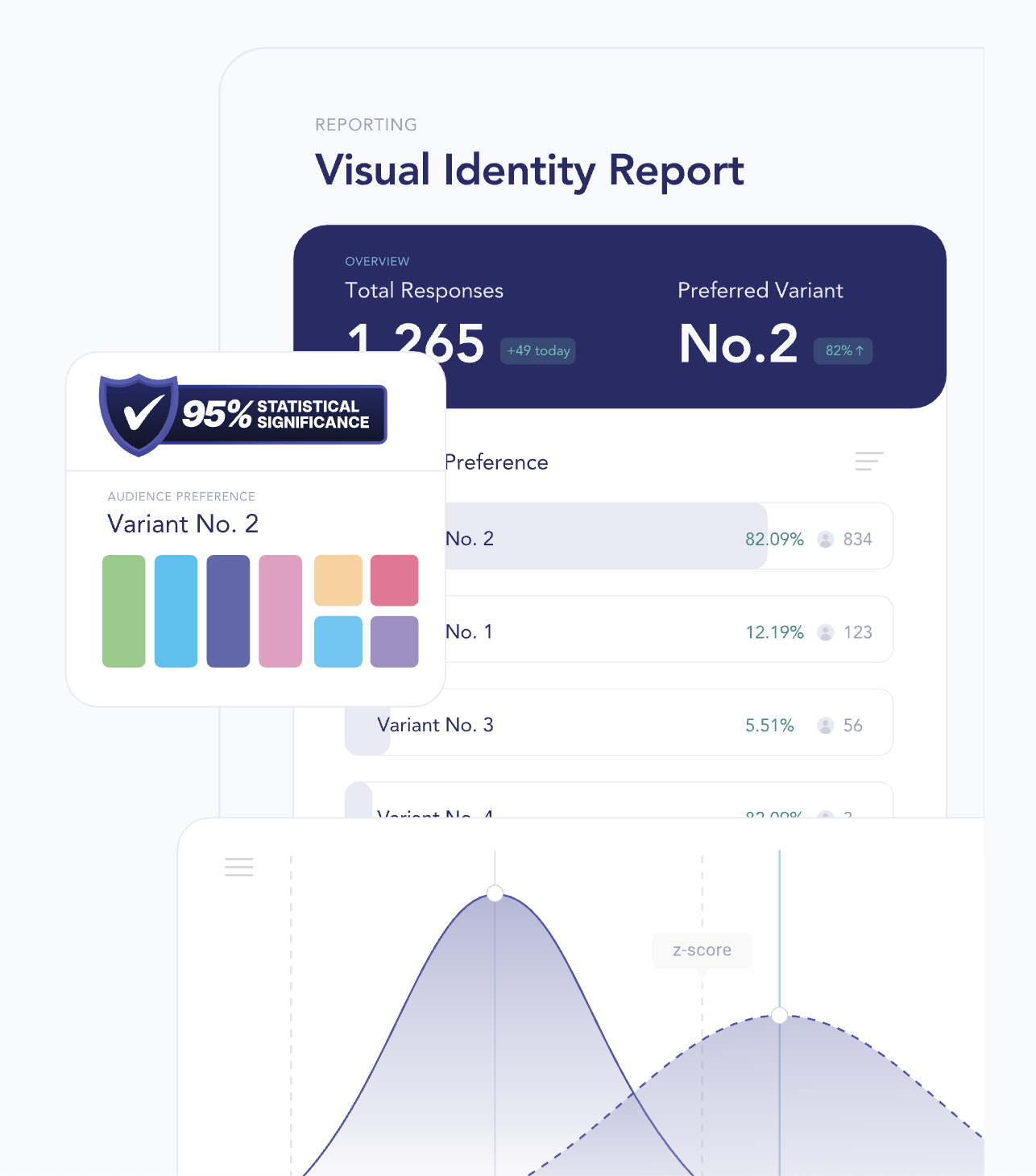
Asking around 3-4 people won't confirm anything real. Statistical significance will.
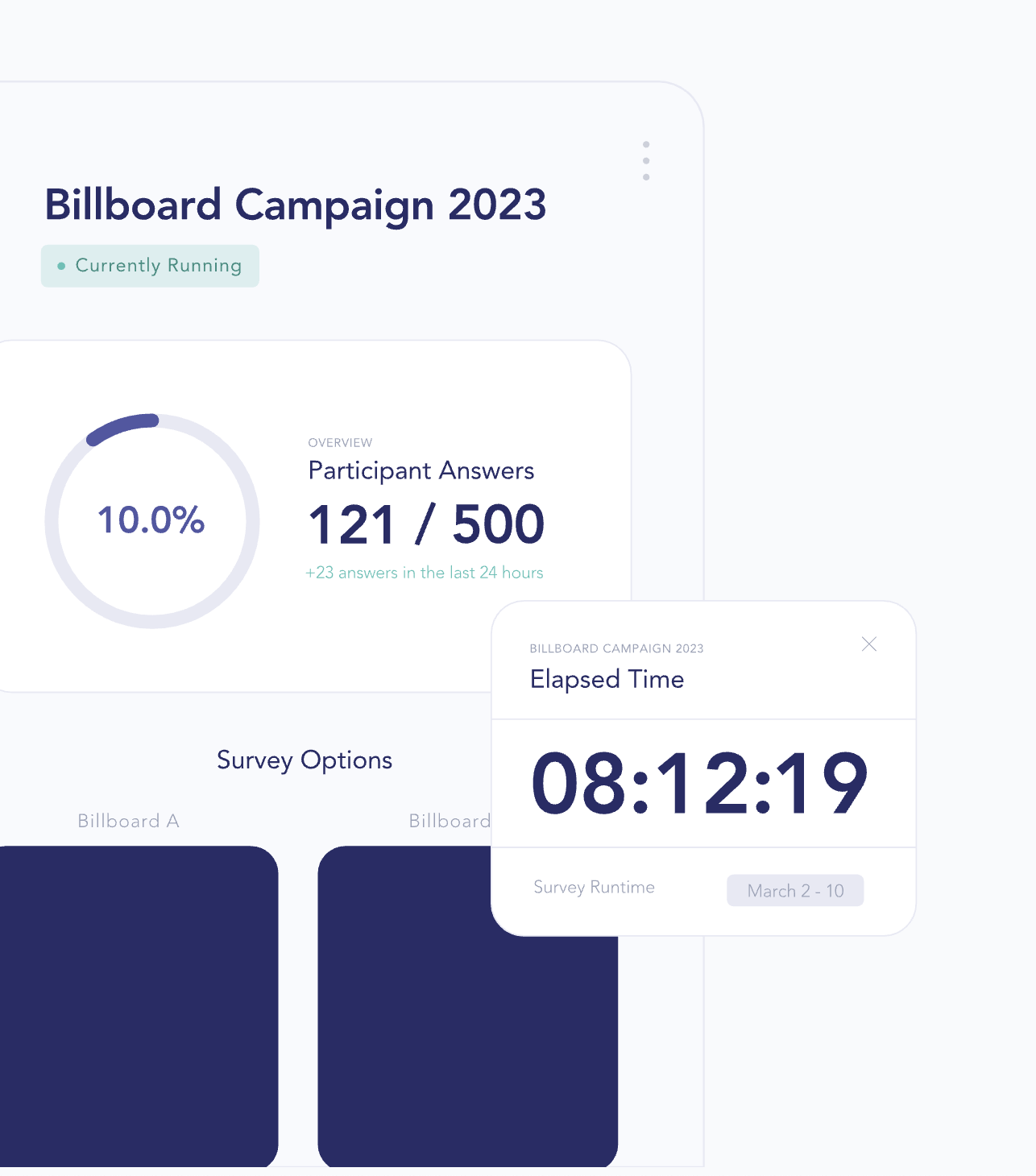
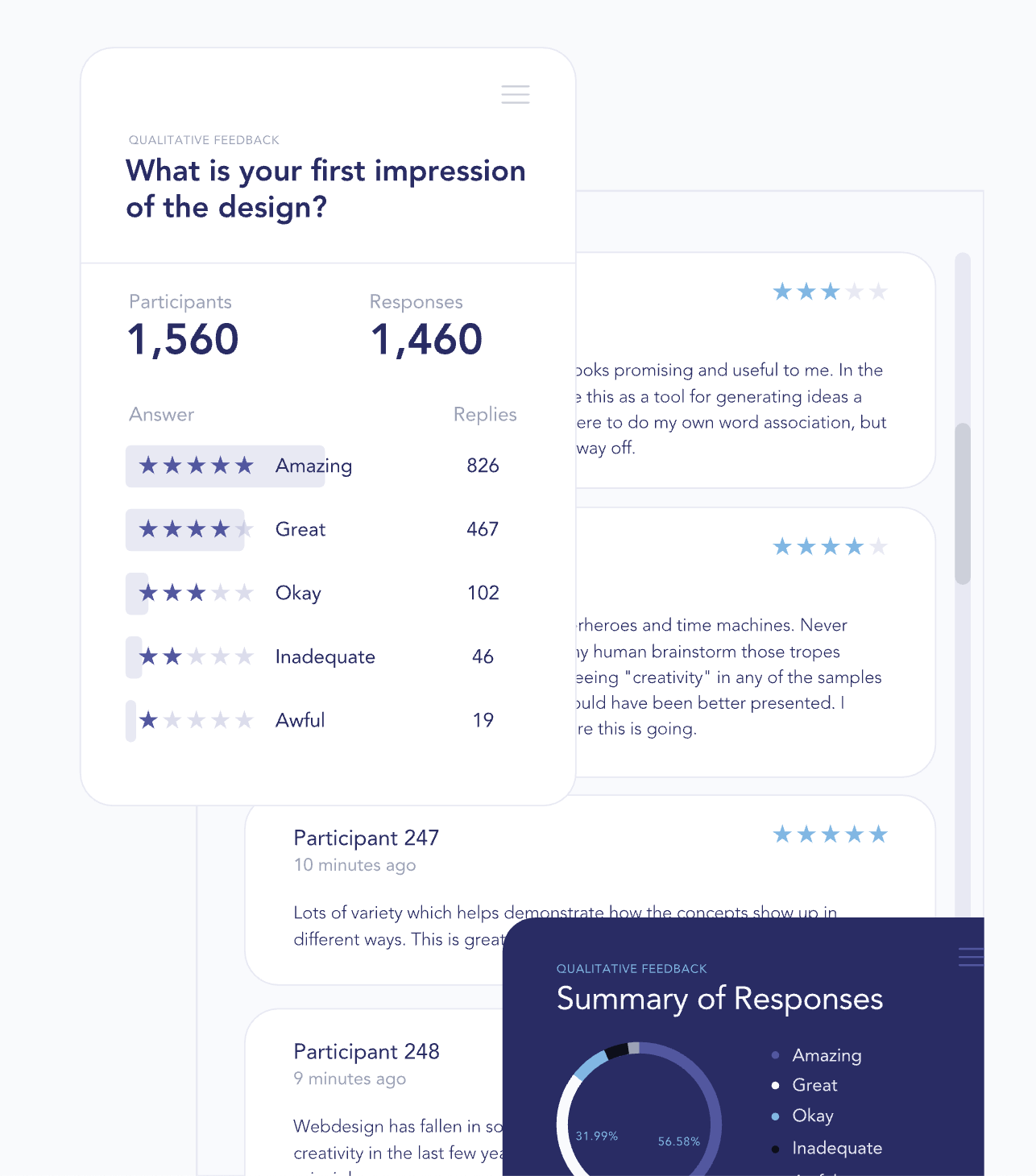
goahead lets you put creative work in front of your target audience before it goes public. Test offline ads, design directions, or product concepts and find out what actually lands—not what the room happens to prefer.
Built for marketers, designers, and product teams who'd rather have data than a hunch before committing to a campaign or a full launch.
Features
- Easy, fast & affordable
- Statistical significance validation
- Audience targeting
- On-demand participants & fast results (under 24 hours)
- Almost any creative asset: images, video, audio, text/documents
- Stakeholder reports (PDF)
- Desktop apps: Native apps for Windows and macOS
Use Cases
- Offline and print ads, radio spots, campaign concepts, and marketing copy
- Logos, brand aesthetics, photographic styles, and visual direction
- Packaging designs
- Product concepts & new products
- Product names & product images
- Book covers, magazine and brochure layouts, titles, and imagery
- App & website direction
- Billboards, signage & storefronts
- Communications & messaging
- Moodboards & creative direction
- Presentations
- Apparel & fashion

Comments






The coffee-machine line is real - I ship consumer apps solo and my validation panel is usually my wife and two kids. Where I'd use this is storefront assets: the app icon and the first three App Store screenshots, because everyone I can ask already knows the app so I never get a cold first impression. Two questions: what does a typical test cost at a meaningful sample size, and can I target a specific audience like parents of young kids?

goahead has great potential and offers some useful features, but I encountered a few issues that could be improved. Please contact me so I can share detailed feedback and suggest the changes I'd like to see. WhatsApp: https://wa.me/447307349530 Email: [email protected] Telegram: t.me/rforrank


The room feedback problem is real. Teams go with what loud people prefer, then the campaign flops because the market disagrees. goahead solves this with actual statistical significance - you get data from people who actually match your target audience, not just whoever's in the meeting. The speed is what changes behavior too. Getting 500 qualified responses in 24 hours means you can iterate on designs before committing budget. Native apps on Windows and macOS removes the friction of browser tools or waiting on web dev. Multiple asset types means this works for ads, product design, branding, packaging - not just one narrow use case. Built for teams that'd rather have data than hunches.

The offline-ad use case is the one I find most interesting and also the trickiest to get right: a billboard or print ad works because of the context it's seen in, three seconds glanced from a highway or half-noticed on a magazine page, but in a test it gets viewed at full attention on a screen. How do you account for that context gap so results predict real-world performance rather than just which one looks best when you're staring straight at it? That's usually where concept testing of physical creative breaks down.
Design validation paralysis real for teams - getting 3-4 people to agree on creative direction without data wastes weeks. goahead removes the guesswork by putting actual audience feedback behind each design choice. 24-hour turnaround means test multiple directions instead of debating subjective opinions. Especially powerful for agencies and in-house teams launching without expensive testing infrastructure.
Premium Products



































Sponsors
Buy

Awards
View all
Awards
View allMakers
Makers
Comments
The coffee-machine line is real - I ship consumer apps solo and my validation panel is usually my wife and two kids. Where I'd use this is storefront assets: the app icon and the first three App Store screenshots, because everyone I can ask already knows the app so I never get a cold first impression. Two questions: what does a typical test cost at a meaningful sample size, and can I target a specific audience like parents of young kids?
goahead has great potential and offers some useful features, but I encountered a few issues that could be improved. Please contact me so I can share detailed feedback and suggest the changes I'd like to see. WhatsApp: https://wa.me/447307349530 Email: [email protected] Telegram: t.me/rforrank
The room feedback problem is real. Teams go with what loud people prefer, then the campaign flops because the market disagrees. goahead solves this with actual statistical significance - you get data from people who actually match your target audience, not just whoever's in the meeting. The speed is what changes behavior too. Getting 500 qualified responses in 24 hours means you can iterate on designs before committing budget. Native apps on Windows and macOS removes the friction of browser tools or waiting on web dev. Multiple asset types means this works for ads, product design, branding, packaging - not just one narrow use case. Built for teams that'd rather have data than hunches.
The offline-ad use case is the one I find most interesting and also the trickiest to get right: a billboard or print ad works because of the context it's seen in, three seconds glanced from a highway or half-noticed on a magazine page, but in a test it gets viewed at full attention on a screen. How do you account for that context gap so results predict real-world performance rather than just which one looks best when you're staring straight at it? That's usually where concept testing of physical creative breaks down.
Design validation paralysis real for teams - getting 3-4 people to agree on creative direction without data wastes weeks. goahead removes the guesswork by putting actual audience feedback behind each design choice. 24-hour turnaround means test multiple directions instead of debating subjective opinions. Especially powerful for agencies and in-house teams launching without expensive testing infrastructure.
Premium Products
New to Fazier?

Find your next favorite product or submit your own. Made by @FalakDigital.
Copyright ©2026. All Rights Reserved