
ViraFlow
Turn viral videos into structured breakdowns and AI prompts
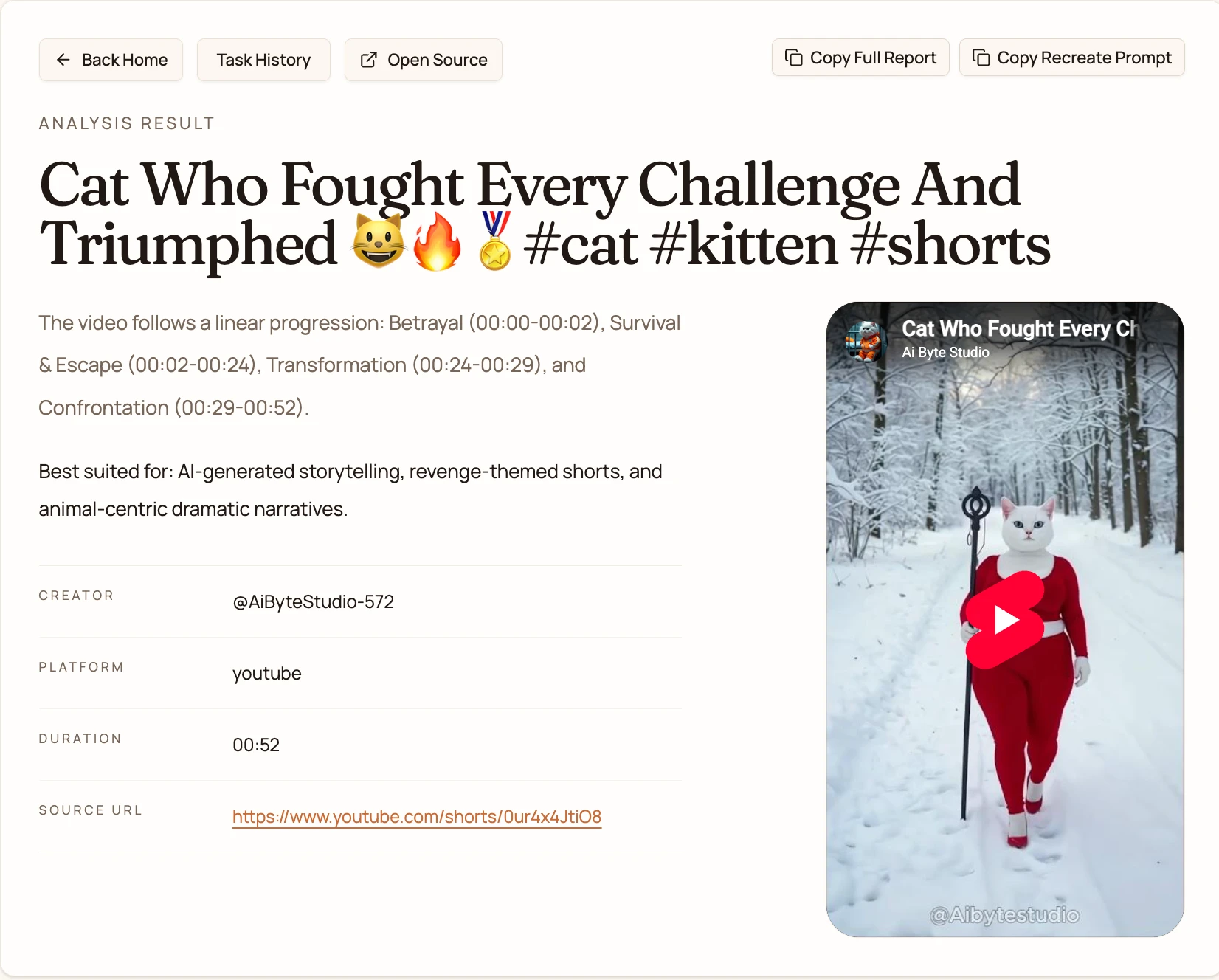
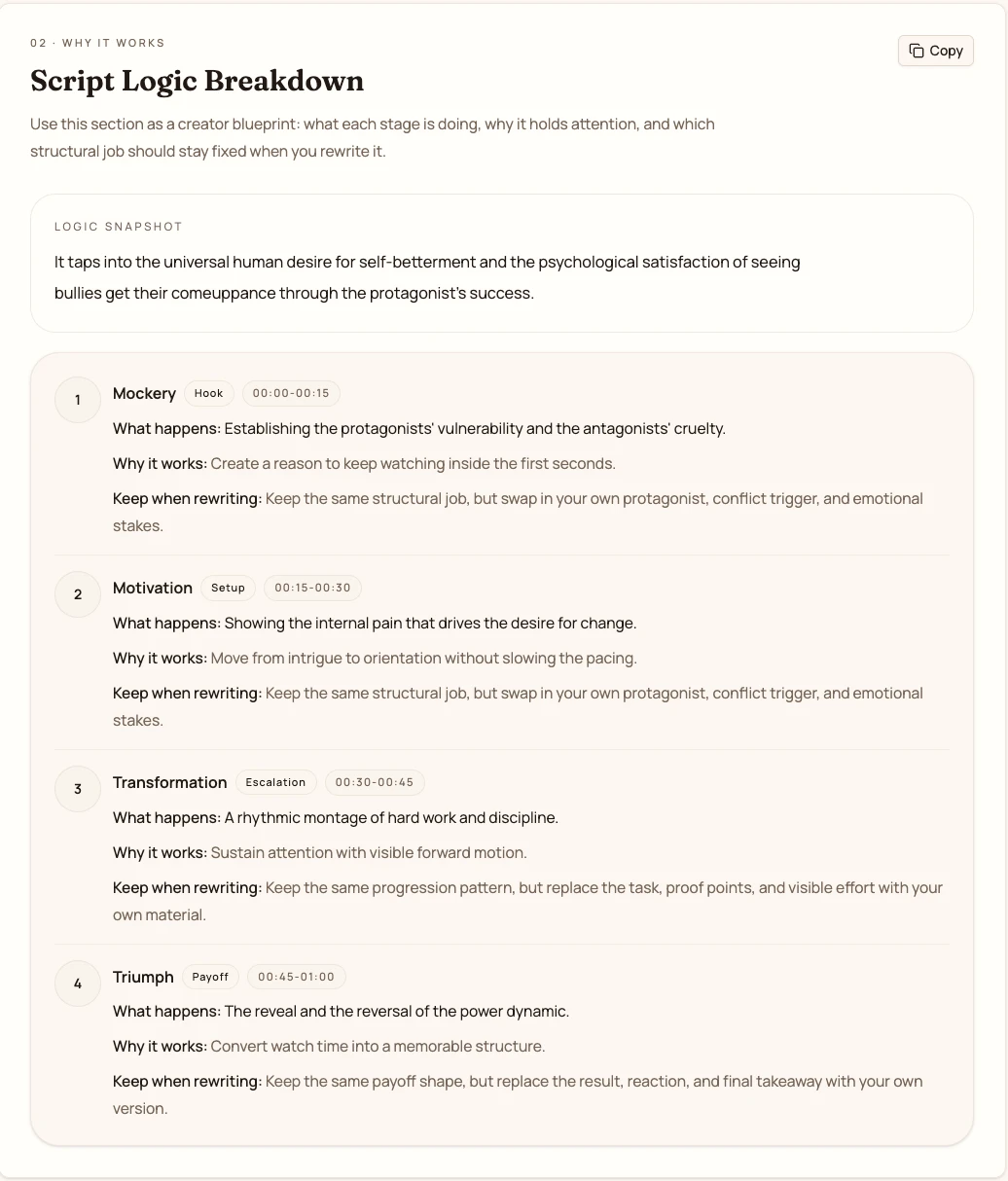
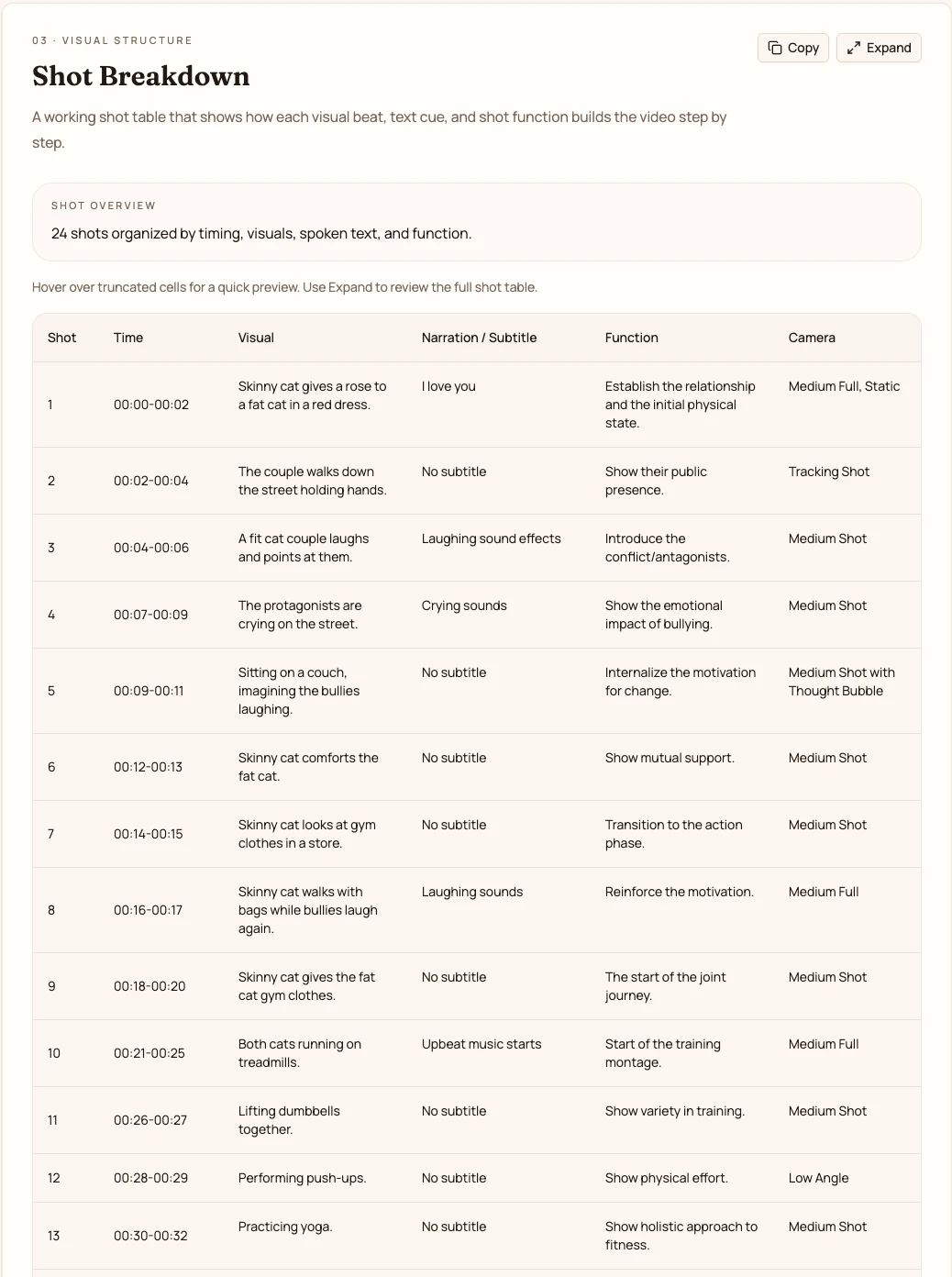
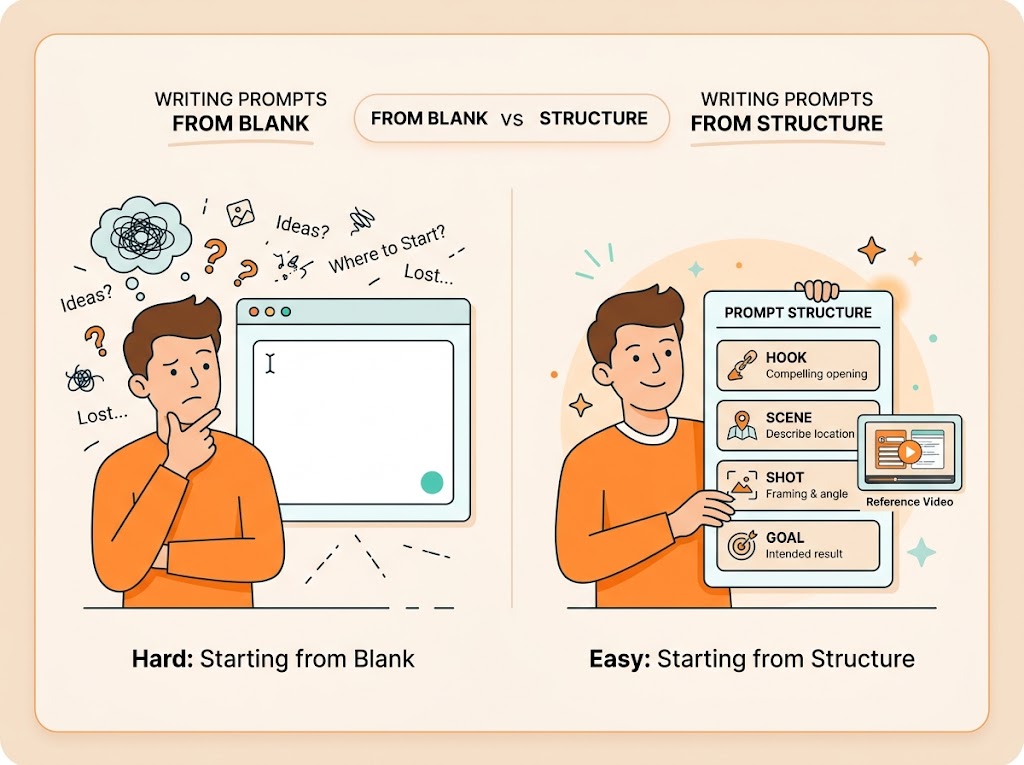
ViraFlow is built for creators who want more than inspiration. It helps you understand why a viral video works, break that logic into reusable parts, and turn it into your own next video. Instead of giving you a vague summary, ViraFlow analyzes TikTok videos, Instagram Reels, YouTube videos, and uploaded clips, then turns them into a structured breakdown you can actually learn from. Example use case: A solo creator finds a TikTok with a strong hook, tight pacing, and a satisfying payoff, but does not want to imitate it line by line. They paste the link into ViraFlow and get a structured breakdown showing how the script is built, how the scenes progress, and what makes the video engaging. ViraFlow then turns that analysis into a prompt draft the creator can adapt for a different niche, audience, or offer. Instead of guessing why the original video worked, they get a clearer way to study it, learn from it, and create a new video from the same underlying logic.
Features
Product features and use cases: ViraFlow breaks viral short videos into practical creative outputs, including script flow, hook logic, pacing, shot structure, rewrite references, and AI-ready prompts. It is designed for individual creators who want to study winning formats, learn what makes a video take off, and apply those patterns to their own niche. It also works well for lightweight AI video studios that need a faster way to study successful content and turn that insight into repeatable creation. The goal is not to copy viral videos blindly, but to understand what works and reuse the logic in a new and original way.
Use Cases
- Breaking down viral short videos before making the next one - Turning video references into structured insights and AI prompts - Studying hook, pacing, and story flow with more clarity - Reusing viral video logic in a new and original way - Preparing better creative input for solo creators, lightweight AI video studios, and content teams - Learning from high-performing videos without copying them blindly

Comments

What stands out is the shift from passive inspiration to structured deconstruction. Breaking down viral content into hook logic, pacing, and scene flow is especially useful because most creators struggle not with ideas, but with replicating underlying attention mechanics. I’m particularly interested in how the breakdowns are standardized across platforms (TikTok vs Reels vs YouTube Shorts), since pacing and retention triggers can differ significantly by algorithm and audience behavior. Do you rely on a fixed analytical framework for every video (e.g., hook → tension → payoff), or is the structure dynamically inferred based on content type?

The angle of turning viral videos into structured breakdowns is really smart — most content creators struggle to understand WHY something went viral, not just that it did. I'm curious whether the AI detects emotional hooks specifically, or just structural patterns like hook/conflict/resolution arcs. That distinction would massively affect how actionable the analysis is for different content types.
The goal of the game is to catch fish and sell them for money. Once you sell the fish, you can use the money to upgrade your fishing rod. Upgrading your fishing rod will increase the number of fish you can catch. https://tinyfishing2.io


ViraFlow solves a real problem for content creators. Instead of just showing viral content and leaving you to guess why it worked, it actually breaks down the structure behind the video - hooks, pacing, scene progression, and payoff - in a way that feels actionable. What makes it stand out is that it focuses on learning the logic behind viral content, not copying it. The ability to turn that analysis into AI prompts or reusable content frameworks is genuinely useful for creators, marketers, and brands trying to produce content more consistently. Overall, it feels like a smart bridge between content inspiration and execution. Very practical product, especially for creators who want to improve their content strategy with a more structured approach.





Premium Products













































Sponsors
Buy



Makers

Makers
Comments
What stands out is the shift from passive inspiration to structured deconstruction. Breaking down viral content into hook logic, pacing, and scene flow is especially useful because most creators struggle not with ideas, but with replicating underlying attention mechanics. I’m particularly interested in how the breakdowns are standardized across platforms (TikTok vs Reels vs YouTube Shorts), since pacing and retention triggers can differ significantly by algorithm and audience behavior. Do you rely on a fixed analytical framework for every video (e.g., hook → tension → payoff), or is the structure dynamically inferred based on content type?
The angle of turning viral videos into structured breakdowns is really smart — most content creators struggle to understand WHY something went viral, not just that it did. I'm curious whether the AI detects emotional hooks specifically, or just structural patterns like hook/conflict/resolution arcs. That distinction would massively affect how actionable the analysis is for different content types.
The goal of the game is to catch fish and sell them for money. Once you sell the fish, you can use the money to upgrade your fishing rod. Upgrading your fishing rod will increase the number of fish you can catch. https://tinyfishing2.io
ViraFlow solves a real problem for content creators. Instead of just showing viral content and leaving you to guess why it worked, it actually breaks down the structure behind the video - hooks, pacing, scene progression, and payoff - in a way that feels actionable. What makes it stand out is that it focuses on learning the logic behind viral content, not copying it. The ability to turn that analysis into AI prompts or reusable content frameworks is genuinely useful for creators, marketers, and brands trying to produce content more consistently. Overall, it feels like a smart bridge between content inspiration and execution. Very practical product, especially for creators who want to improve their content strategy with a more structured approach.
Premium Products
New to Fazier?

Find your next favorite product or submit your own. Made by @FalakDigital.
Copyright ©2026. All Rights Reserved