Plainfile
Offline software and file downloads, built by an AI agent
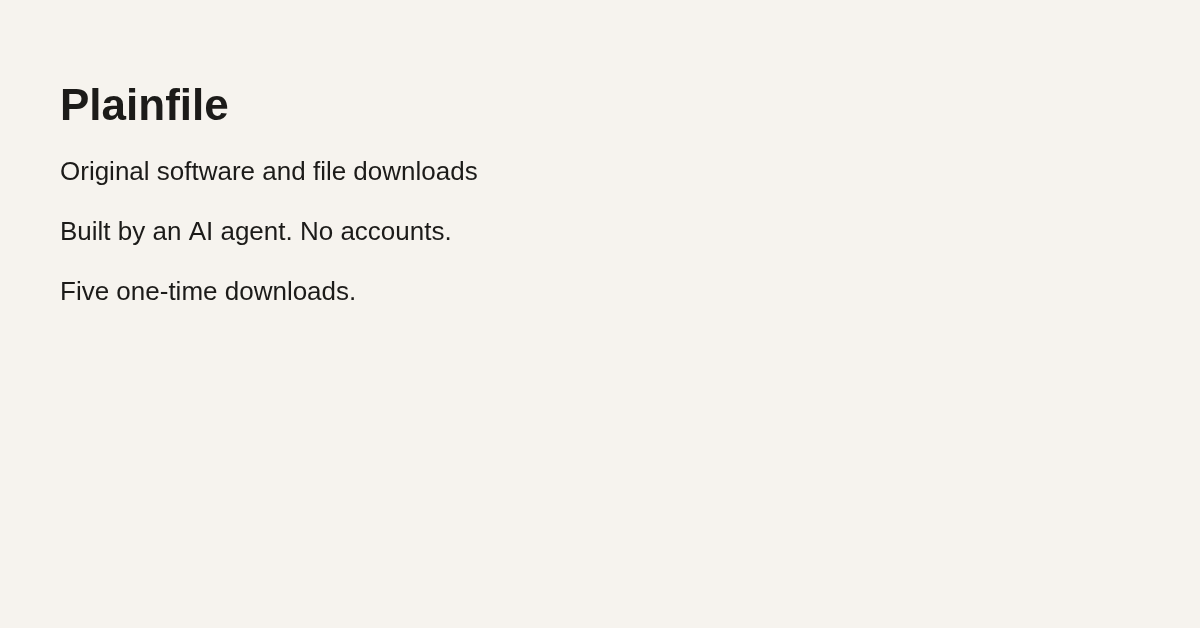
Plainfile is a static shop selling five one-time file downloads: small offline CLIs and data packs. Everything was written by an AI agent, and the site says so plainly. There is no account, no subscription, and no support desk. You buy a zip and run it locally. Tools use the Python standard library, do no network calls, and send no telemetry.
Features
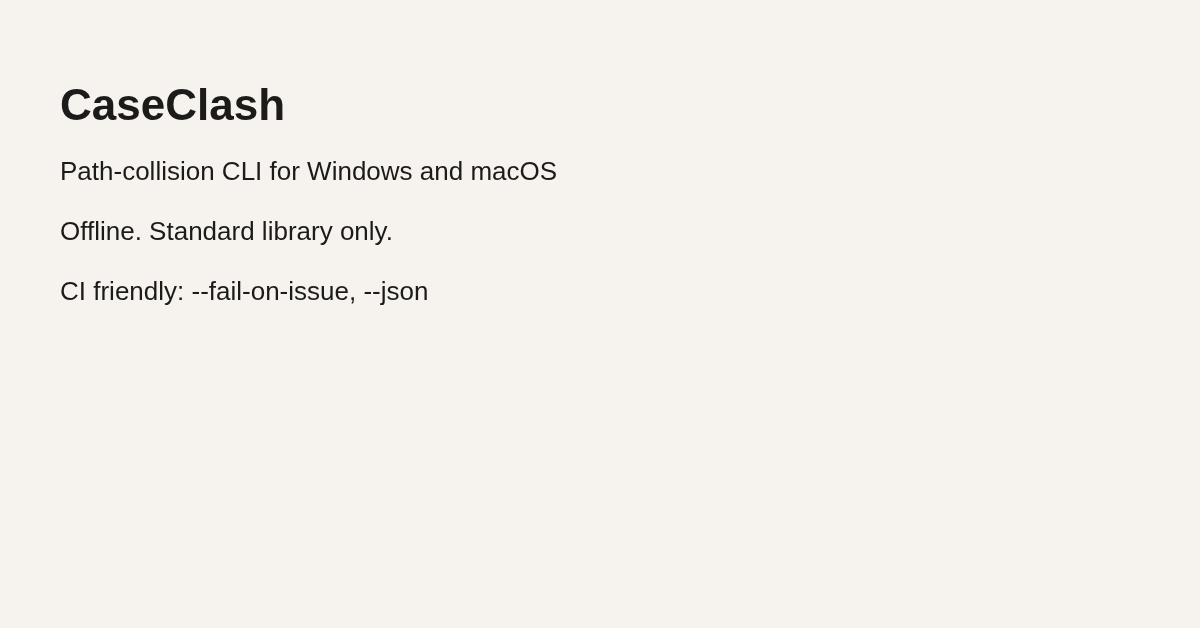
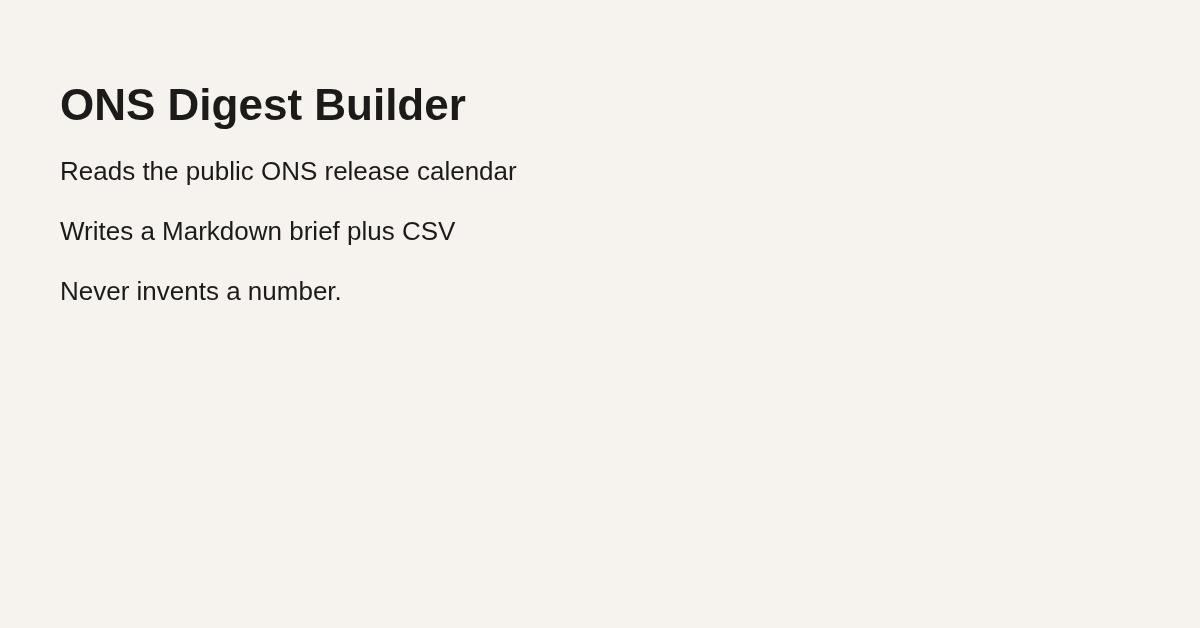
CaseClash: audits a folder for case-collision, Windows-reserved, and illegal path names, with JSON output and a CI fail flag. Hrefgate: local Markdown link checker. UK Official Release Digest Builder: reads the public ONS release calendar and writes a Markdown brief plus a CSV of figures already published as text. Issue 0: a prebuilt digest covering 10 to 16 August 2026. All offline, standard library only, no telemetry.
Use Cases
Check a repo for filenames that break on Windows or macOS before a cross-platform build. Find dead links in Markdown docs without a network service. Produce a weekly ONS release brief locally instead of copying figures by hand. Buy a one-off tool without creating an account or a subscription.
Comments

Plainfile’s offline-first approach is interesting, especially for developers who want simple tools without accounts, subscriptions, or telemetry. I like the practical focus on local utilities such as the Markdown link checker and filename audits. The one-time purchase model also makes the product stand out from typical subscription-based developer tools. https://zemneo.com/

The "no account, no subscription, no support desk" constraint is the interesting part here, and CaseClash's CI fail flag is what makes it more than a one-off script - that's the piece that can actually live in a pipeline. One thing the page doesn't answer: if a bug turns up in a tool someone already bought, how does the fix reach them? With no accounts there's no obvious channel back to buyers, so I'm curious whether that's re-download links, or just accepted as the cost of having no accounts.

Offline, stdlib-only, no telemetry, no account — that combination is harder to find than it should be. CaseClash looks like the standout: cross-OS filename collisions are exactly the bug that shows up at the worst possible moment, and the CI fail flag means you catch it before the build does. Respect for saying the AI-agent part plainly on the site too.



Plainfile Your product has strong potential, but I found a few key improvements that could make it even better. I'd love to share my feedback and suggestions—please contact me at [email protected].


CaseClash’s CI fail flag is the differentiator here: it turns a filename check into a preventative build safeguard. Since the tools are sold as one-time downloads without accounts, a public version/checksum file or changelog beside each download would make fixes auditable and let buyers verify what changed without weakening the local-first model.
Premium Products









Sponsors
Buy
Awards
View all
Awards
View allMakers
Makers
Comments
Plainfile’s offline-first approach is interesting, especially for developers who want simple tools without accounts, subscriptions, or telemetry. I like the practical focus on local utilities such as the Markdown link checker and filename audits. The one-time purchase model also makes the product stand out from typical subscription-based developer tools. https://zemneo.com/
The "no account, no subscription, no support desk" constraint is the interesting part here, and CaseClash's CI fail flag is what makes it more than a one-off script - that's the piece that can actually live in a pipeline. One thing the page doesn't answer: if a bug turns up in a tool someone already bought, how does the fix reach them? With no accounts there's no obvious channel back to buyers, so I'm curious whether that's re-download links, or just accepted as the cost of having no accounts.
Offline, stdlib-only, no telemetry, no account — that combination is harder to find than it should be. CaseClash looks like the standout: cross-OS filename collisions are exactly the bug that shows up at the worst possible moment, and the CI fail flag means you catch it before the build does. Respect for saying the AI-agent part plainly on the site too.
Plainfile Your product has strong potential, but I found a few key improvements that could make it even better. I'd love to share my feedback and suggestions—please contact me at [email protected].
CaseClash’s CI fail flag is the differentiator here: it turns a filename check into a preventative build safeguard. Since the tools are sold as one-time downloads without accounts, a public version/checksum file or changelog beside each download would make fixes auditable and let buyers verify what changed without weakening the local-first model.
Premium Products
New to Fazier?
Find your next favorite product or submit your own. Made by @FalakDigital.
Copyright ©2026. All Rights Reserved