
NutriDataX
AI recipes, nutrition analysis, meal planning, and food APIs
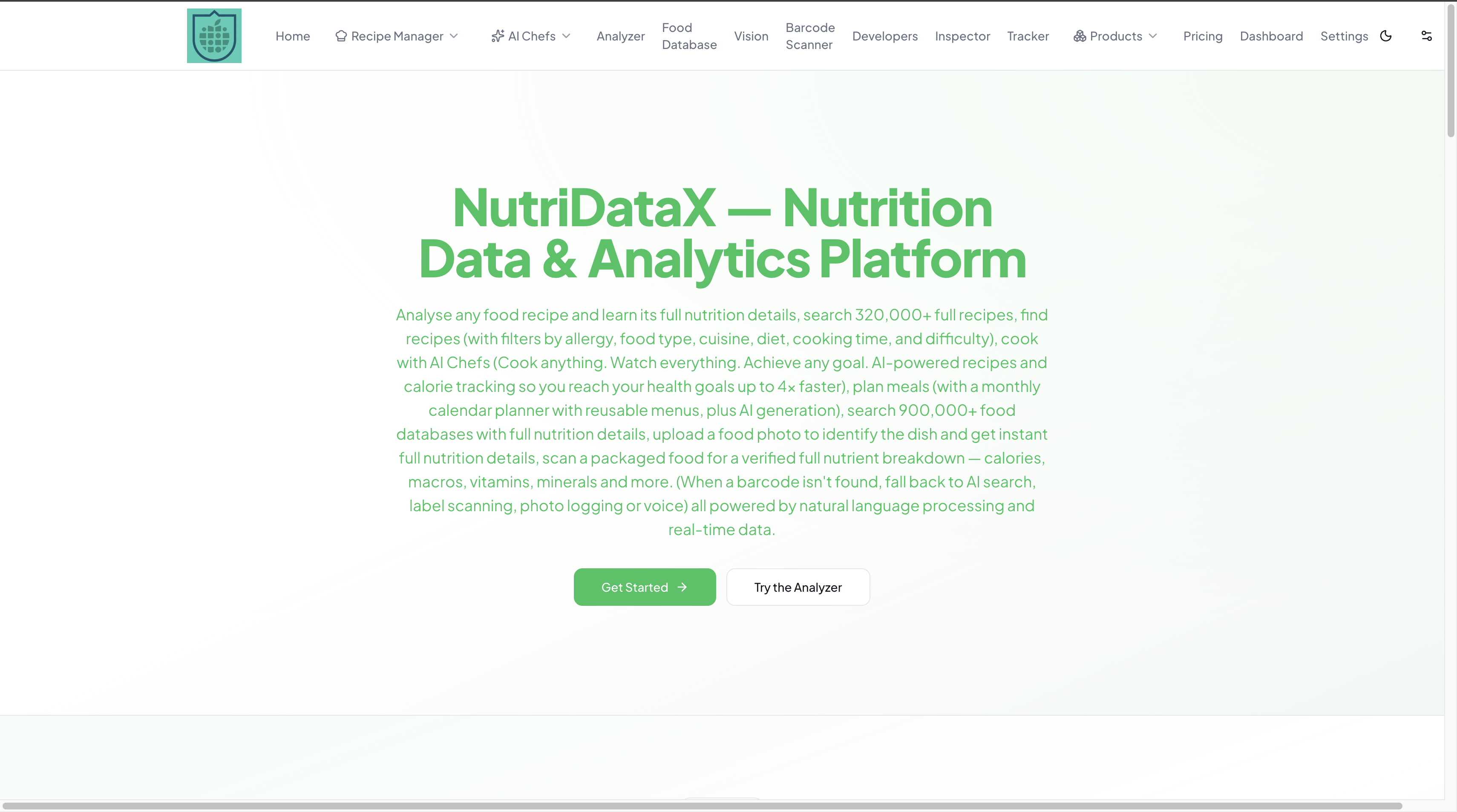
NutriDataX is a nutrition and recipe platform for home cooks, health professionals, food businesses, and developers.
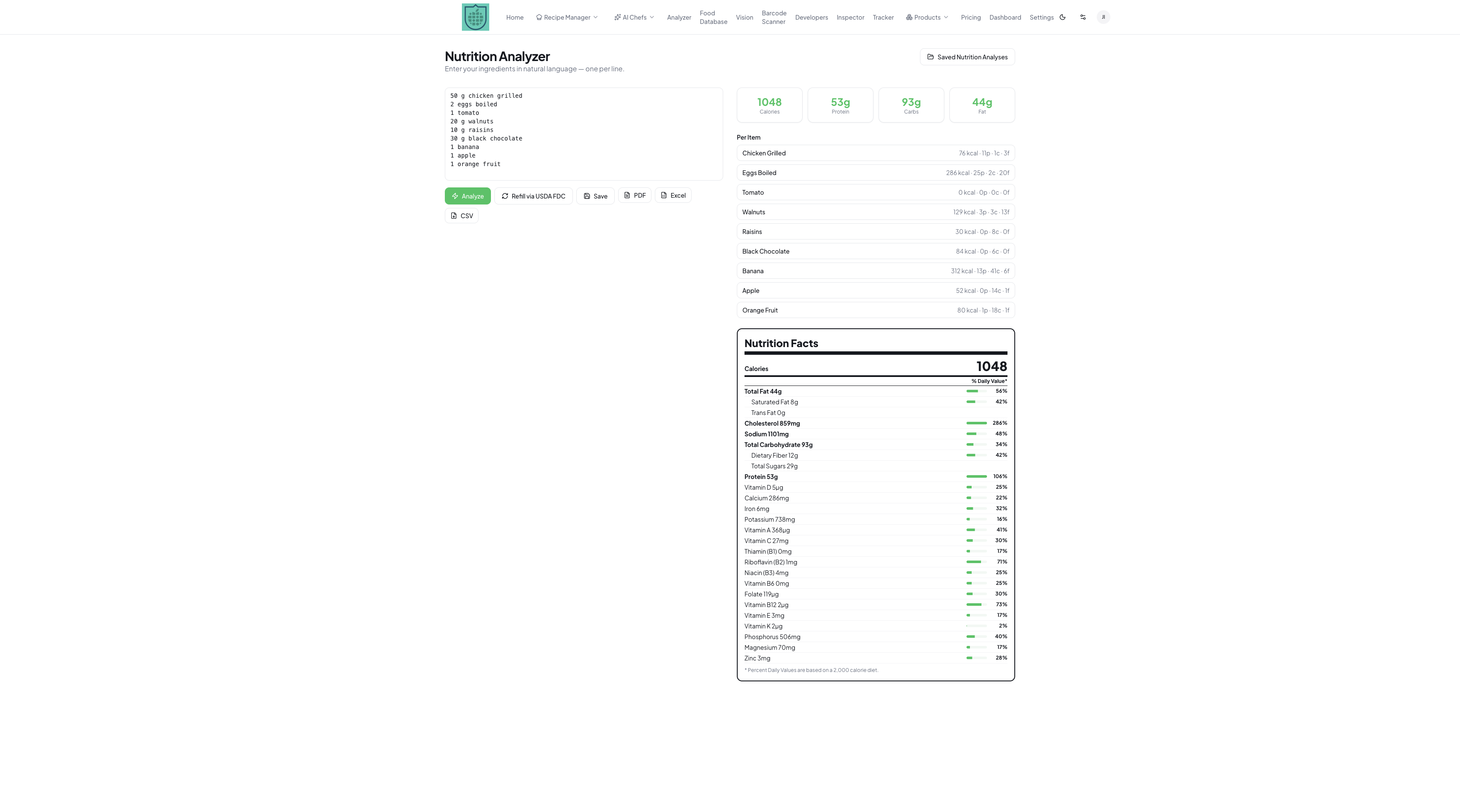
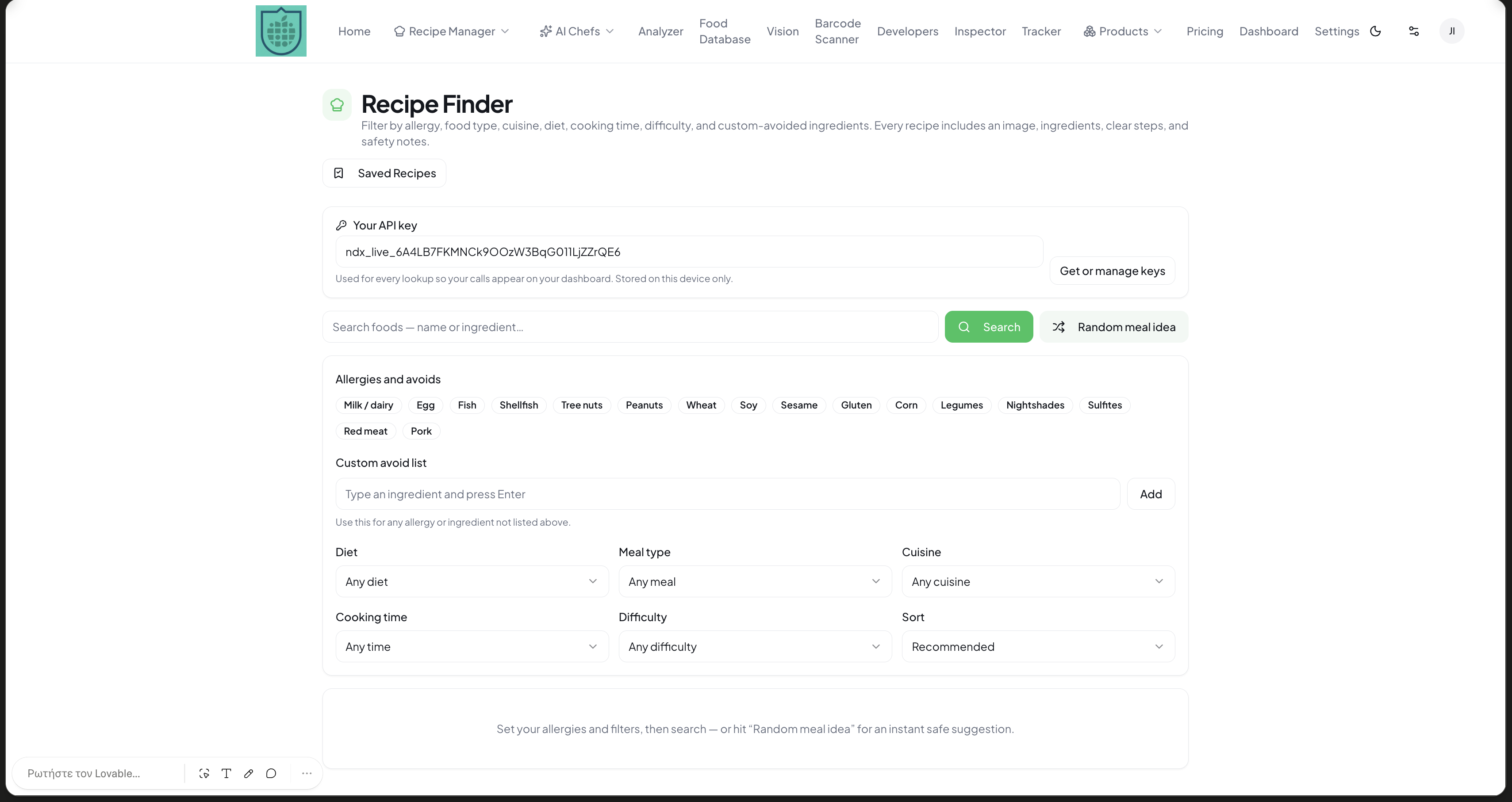
Analyse ingredients written in everyday language to explore calories, macronutrients, vitamins, and minerals across a 26-nutrient profile. Discover recipes with filters for dietary preferences, allergens, cuisines, cooking time, and ingredients you want to avoid.
Create recipes with five AI cooking assistants: WizardChef, KitchenChef, MasterChef, MacrosChef, and MealPlanChef. Generate ideas from ingredients you already have, recreate a favourite dish, or build recipes around nutrition goals.
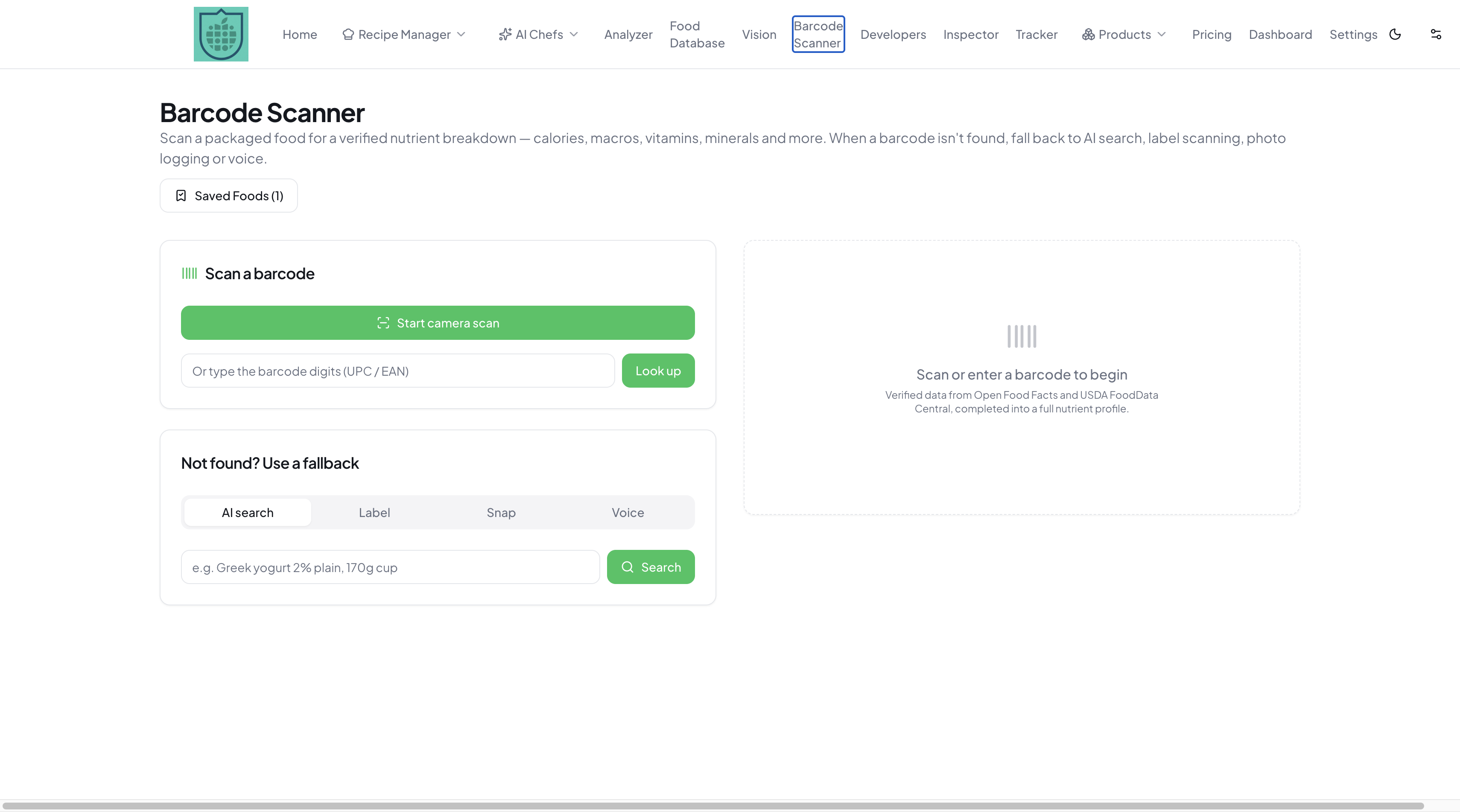
Organise recipes, schedule meals, and create grocery lists. Search foods, estimate nutrition from food photos with Vision Analyser, and look up packaged foods using Barcode Scanner.
For developers, NutriDataX offers APIs for nutrition analysis, food search, recipe discovery, AI recipe generation, meal planning, and its public recipe library. Each API product has its own monthly subscription and usage allowance.
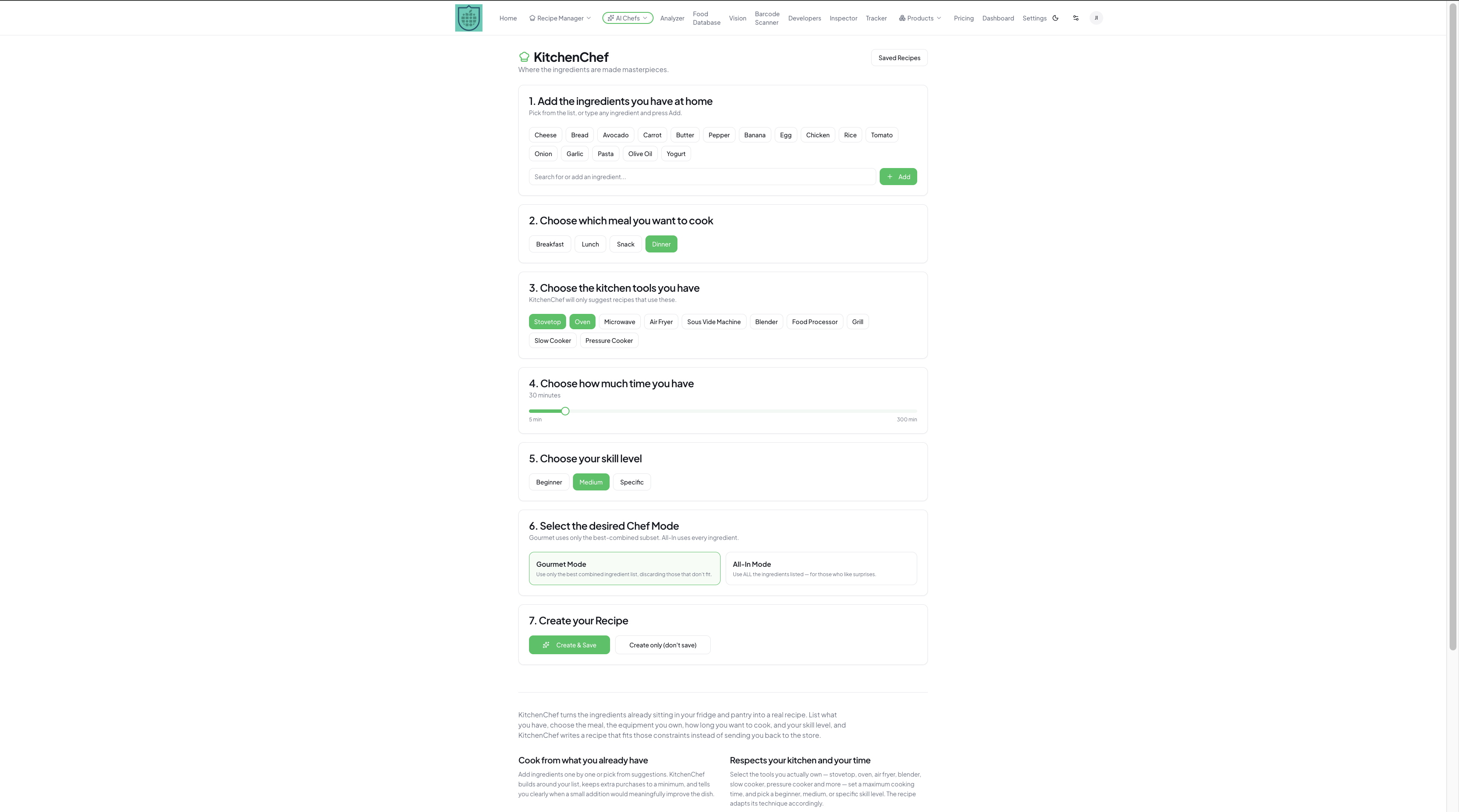
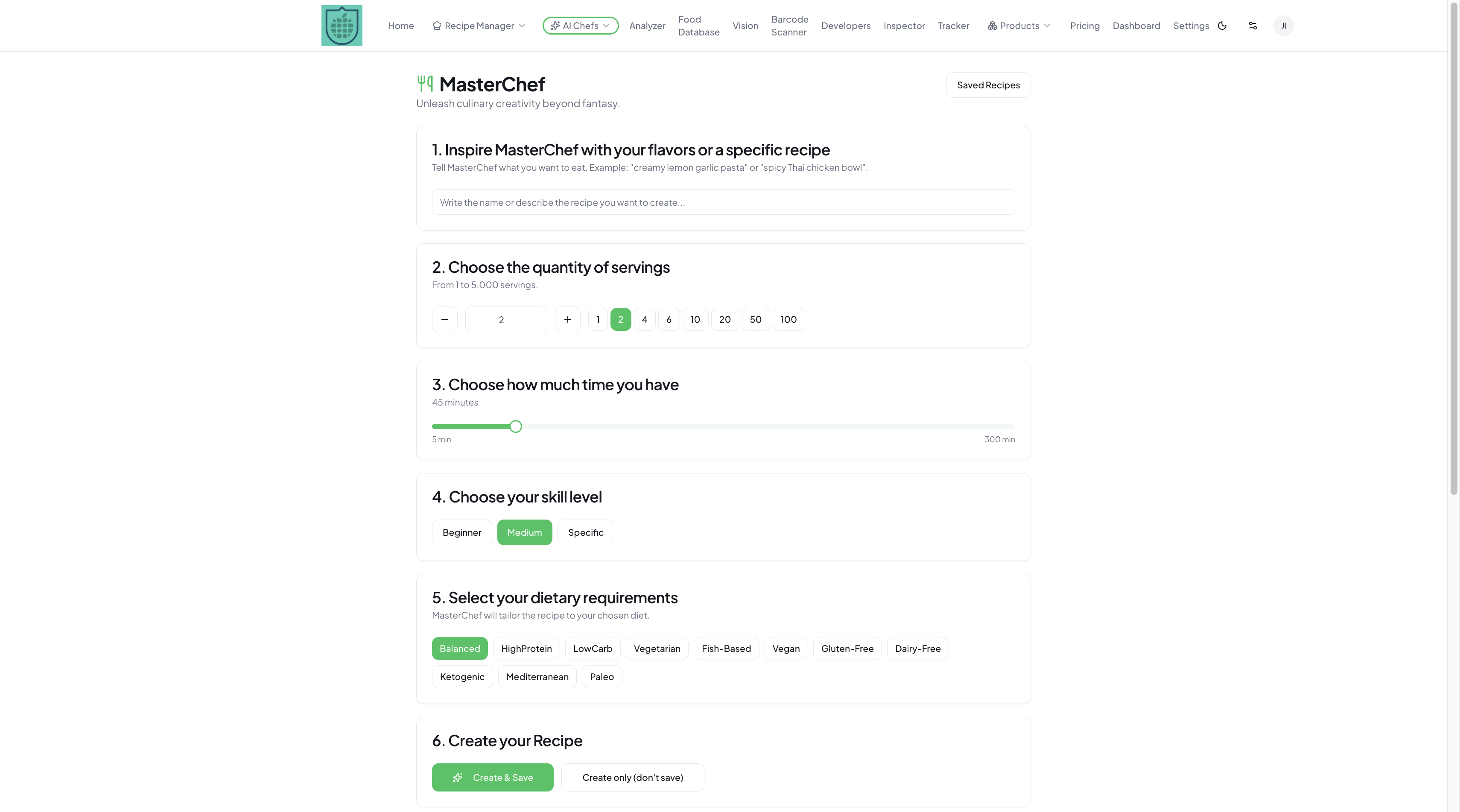
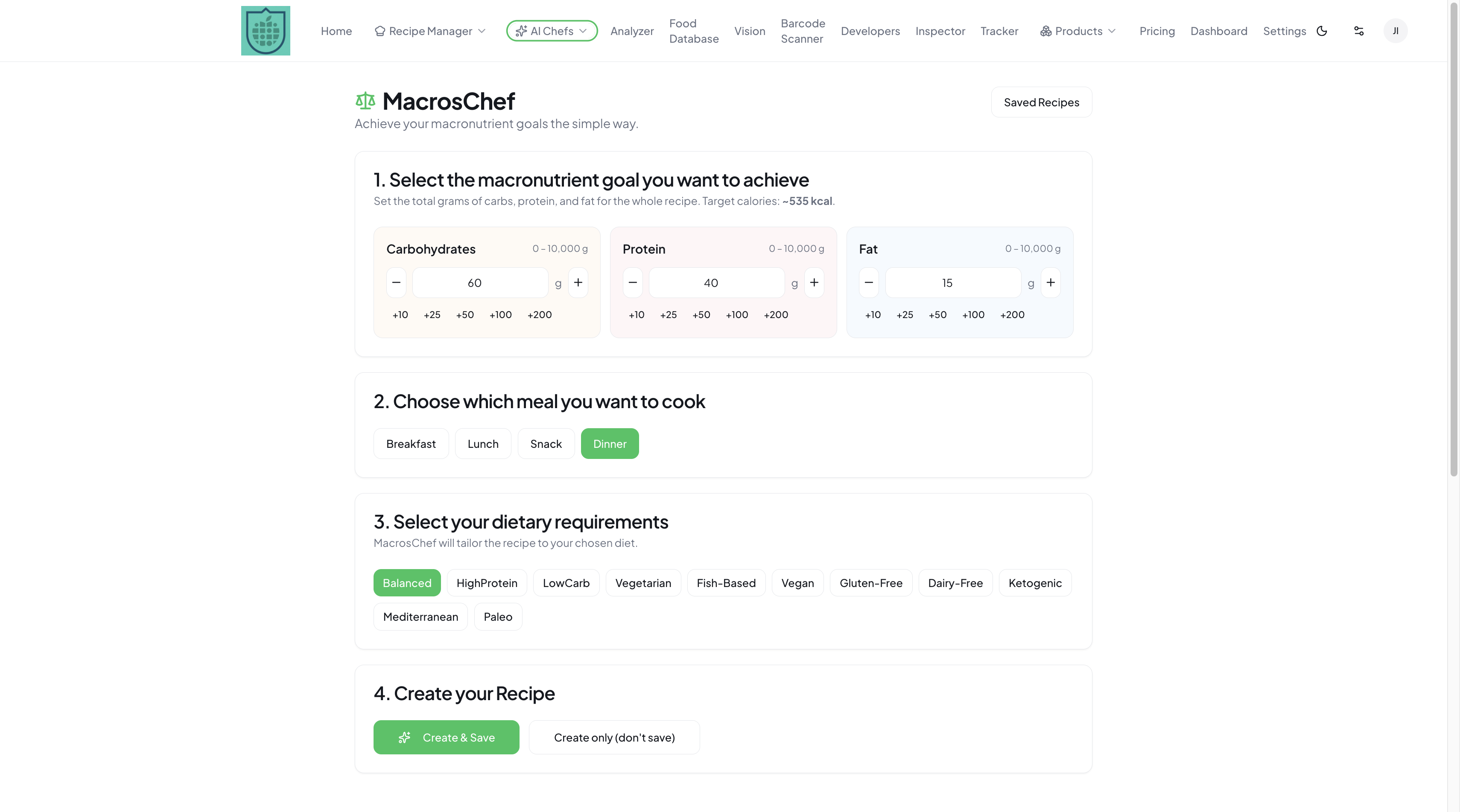
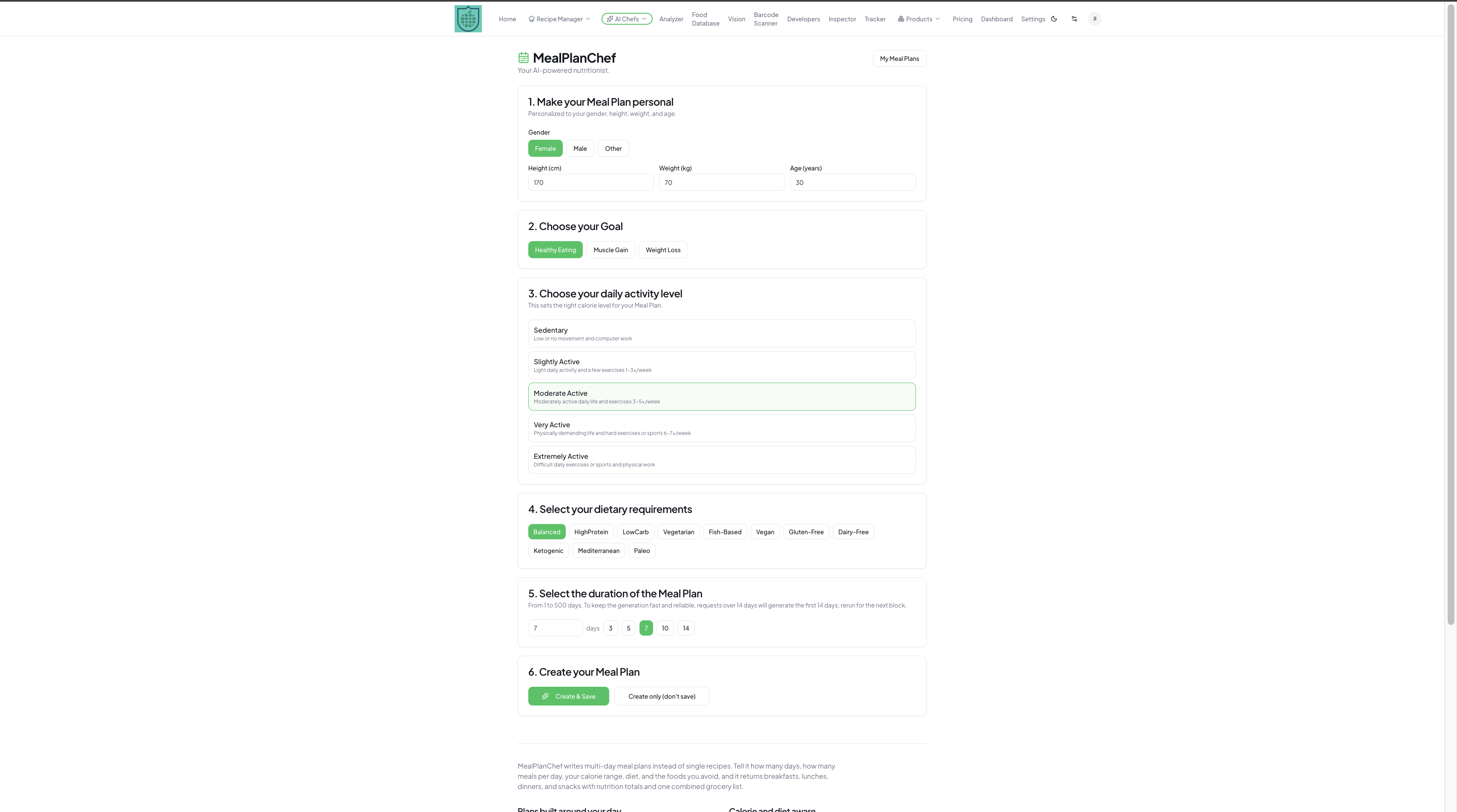
Features
- Nutrition analysis covering 26 nutrients
- Five AI recipe and meal-planning assistants
- Recipe search with dietary and allergen filters
- Food database search, photo analysis, and barcode lookup
- Recipe management, meal scheduling, and grocery lists
- Developer APIs with product-specific subscriptions
Use Cases
- Analyse ingredients for calories, macros, vitamins, and minerals.
- Find recipes matching dietary preferences and ingredients to avoid.
- Generate recipes from available ingredients or nutrition goals.
- Schedule meals and organise grocery lists.
- Explore nutrition from food photos and packaged-food barcodes.
- Build nutrition and recipe features into apps using developer APIs.

Comments


Domino's has plenty of choices for customers with different food preferences. <a href="https://dominosmenuprices.com/guides/dominos-careers.html">Domino's careers</a>

Hi Fazier community! I'm Jim, the maker of NutriDataX. I built it because I was tired of switching between different apps to find recipes, check nutrition and plan meals. NutriDataX puts it all in one place. You can analyse any recipe for calories and 26 nutrients, find recipes that avoid allergens, cook with four AI chefs, plan your week and build grocery lists. You can also scan barcodes or upload a food photo for instant nutrition. Developers can use the same data through our APIs. Every Basic plan comes with a 3-day free trial. I'd love your honest feedback: what would make it more useful for you?
Having a price guide makes comparing different dishes much easier. <a href="https://chilismenusprices.com/categories/chilis-kids-menu.html">Chili's kids meals</a>
Having a price guide makes comparing different dishes much easier. <a href="https://chilismenusprices.com/categories/chilis-kids-menu.html">Chili's kids meals</a>

Connecting recipe discovery, nutrition analysis, and grocery lists looks useful for turning nutrition goals into actual meals. How does the ingredient parser handle ambiguous entries like “one cup of rice,” where cooked versus uncooked makes a big difference? If it doesn’t already, showing the assumed preparation state and letting users correct it before calculating the 26-nutrient profile would make the results easier to trust.
The 26-nutrient profile is what stands out here — most nutrition tools stop at calories and macros, so vitamins and minerals make this genuinely useful for health professionals. How accurate is the photo-based Vision Analyser for mixed dishes like a stew or curry, where portion sizes are hard to judge from a single photo?






The 26-nutrient breakdown is genuinely deeper than most nutrition tools, which usually stop at calories and macros. I like that the five AI chefs cover different jobs — recipe generation, meal planning and macro-focused cooking — rather than one generic assistant. It would be useful to know how the photo-based nutrition estimates handle mixed dishes, and whether the API pricing scales for small food businesses.

Congrats on the launch! The 26-nutrient breakdown is genuinely deeper than most nutrition tools, which usually stop at calories and macros. The plain-language ingredient analysis is a nice touch — do the five AI chefs actually differ in approach (for example one optimised for macros, one for using what's in the pantry), or do they share the same model with different personas? The food API could also be really useful for smaller health apps.

The 26-nutrient profile stands out — most nutrition tools stop at calories and macros, so seeing vitamins and minerals alongside everyday-language ingredient input could be genuinely useful for health professionals as well as home cooks. I'm curious how the Vision Analyser estimates portions in mixed dishes, and whether the grocery lists generated from a scheduled meal plan can be grouped or shared for a household. The five separate assistants (WizardChef through MealPlanChef) also make the scope clearer than one generic recipe bot — it would help to know which one is best for building a recipe around a specific nutrition goal.

Combining ingredient analysis with meal planning makes the workflow easier to understand. For the nutrition API, could you show an example response that distinguishes per-serving values from per-100g values and explains how missing nutrient data is represented? That would help developers avoid misleading totals when they scale a recipe.
Having a price guide makes comparing different dishes much easier. <a href="https://chilismenusprices.com/categories/chilis-kids-menu.html">Chili's kids meals</a>
Premium Products
































Sponsors
Buy
Makers
Makers
Comments
Domino's has plenty of choices for customers with different food preferences. <a href="https://dominosmenuprices.com/guides/dominos-careers.html">Domino's careers</a>
Hi Fazier community! I'm Jim, the maker of NutriDataX. I built it because I was tired of switching between different apps to find recipes, check nutrition and plan meals. NutriDataX puts it all in one place. You can analyse any recipe for calories and 26 nutrients, find recipes that avoid allergens, cook with four AI chefs, plan your week and build grocery lists. You can also scan barcodes or upload a food photo for instant nutrition. Developers can use the same data through our APIs. Every Basic plan comes with a 3-day free trial. I'd love your honest feedback: what would make it more useful for you?
Having a price guide makes comparing different dishes much easier. <a href="https://chilismenusprices.com/categories/chilis-kids-menu.html">Chili's kids meals</a>
Having a price guide makes comparing different dishes much easier. <a href="https://chilismenusprices.com/categories/chilis-kids-menu.html">Chili's kids meals</a>
Connecting recipe discovery, nutrition analysis, and grocery lists looks useful for turning nutrition goals into actual meals. How does the ingredient parser handle ambiguous entries like “one cup of rice,” where cooked versus uncooked makes a big difference? If it doesn’t already, showing the assumed preparation state and letting users correct it before calculating the 26-nutrient profile would make the results easier to trust.
The 26-nutrient profile is what stands out here — most nutrition tools stop at calories and macros, so vitamins and minerals make this genuinely useful for health professionals. How accurate is the photo-based Vision Analyser for mixed dishes like a stew or curry, where portion sizes are hard to judge from a single photo?
The 26-nutrient breakdown is genuinely deeper than most nutrition tools, which usually stop at calories and macros. I like that the five AI chefs cover different jobs — recipe generation, meal planning and macro-focused cooking — rather than one generic assistant. It would be useful to know how the photo-based nutrition estimates handle mixed dishes, and whether the API pricing scales for small food businesses.
Congrats on the launch! The 26-nutrient breakdown is genuinely deeper than most nutrition tools, which usually stop at calories and macros. The plain-language ingredient analysis is a nice touch — do the five AI chefs actually differ in approach (for example one optimised for macros, one for using what's in the pantry), or do they share the same model with different personas? The food API could also be really useful for smaller health apps.
The 26-nutrient profile stands out — most nutrition tools stop at calories and macros, so seeing vitamins and minerals alongside everyday-language ingredient input could be genuinely useful for health professionals as well as home cooks. I'm curious how the Vision Analyser estimates portions in mixed dishes, and whether the grocery lists generated from a scheduled meal plan can be grouped or shared for a household. The five separate assistants (WizardChef through MealPlanChef) also make the scope clearer than one generic recipe bot — it would help to know which one is best for building a recipe around a specific nutrition goal.
Combining ingredient analysis with meal planning makes the workflow easier to understand. For the nutrition API, could you show an example response that distinguishes per-serving values from per-100g values and explains how missing nutrient data is represented? That would help developers avoid misleading totals when they scale a recipe.
Having a price guide makes comparing different dishes much easier. <a href="https://chilismenusprices.com/categories/chilis-kids-menu.html">Chili's kids meals</a>
Premium Products
New to Fazier?

Find your next favorite product or submit your own. Made by @FalakDigital.
Copyright ©2026. All Rights Reserved