
NexusCloud
Give Every AI Agent an Global Address and Marketplace
Nexus is an execution platform for AI agents across cloud, edge, and user devices. It separates where an agent is deployed from where it performs work: developers deploy agents as services, while users connect and authorize their own computers and phones. Nexus combines a Python SDK, MCP integration, model routing, data management, and a unified interface for conversations, progress, and results—helping developers turn agent code into services people can use in their own environments.
Features
Deploy agents independently of user devices
Host agents in Docker, on a developer’s computer, or through an OpenWrt edge deployment. Let each user choose the authorized devices where the work happens.
Connected computers and Android phones
Agents can work with files, terminals, isolated browsers, and supported Android actions through Attached Computer and Mobile. Device runtimes connect outbound to Cloud, without requiring inbound SSH access.
Python SDK and MCP integration
Turn Python capabilities into callable agent services. Keep your preferred model and agent framework while using Nexus for serving, device access, and user interaction.
A built-in interface for every agent
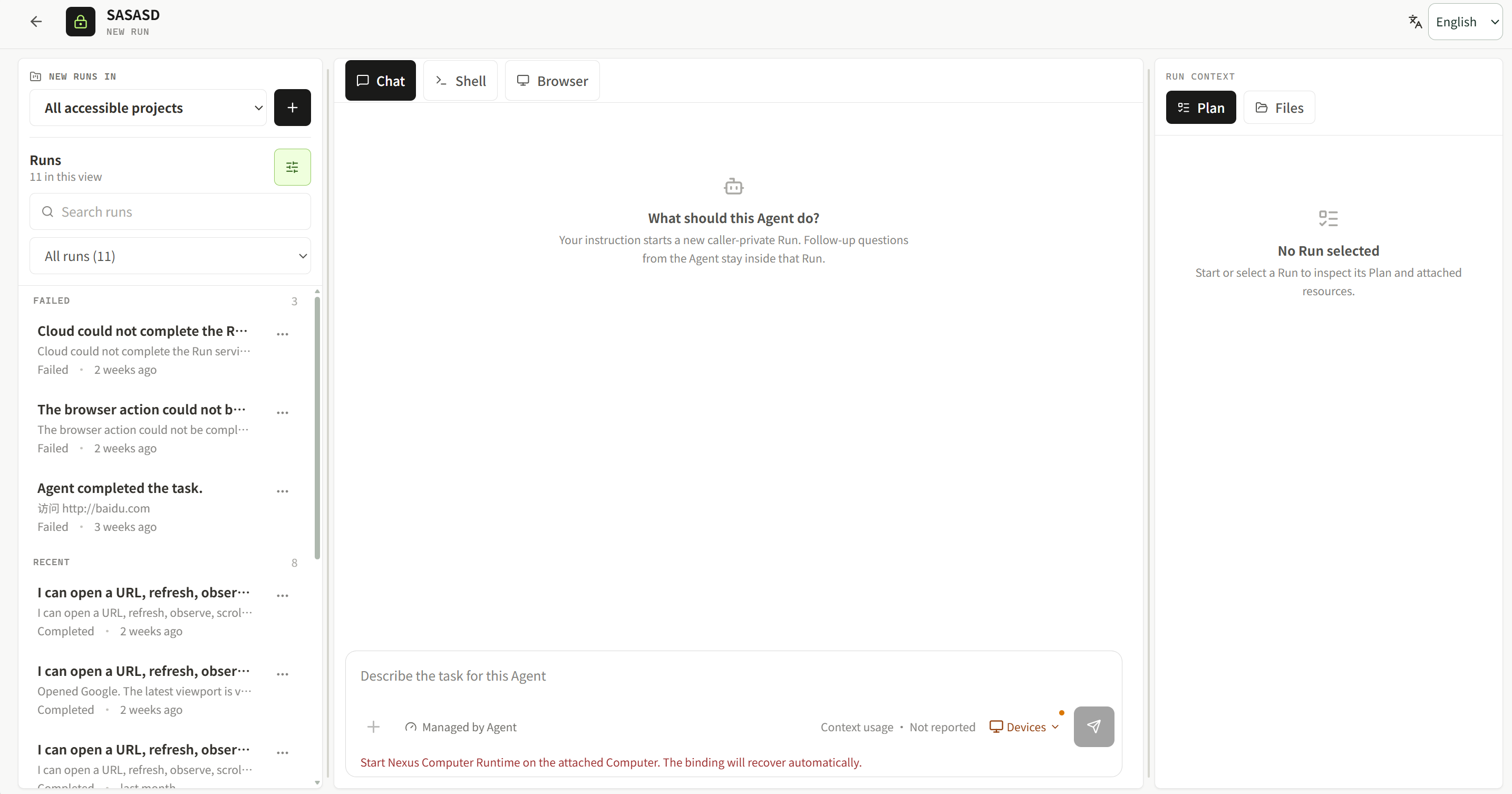
Private Display brings chat, progress, plans, inline questions, browser views, and file outputs into one place. Developers don’t need to build a separate interaction UI for each agent.
User-authorized execution
Users explicitly attach devices and approve requested permissions. Run-scoped delegation connects each invocation to the appropriate caller, device, and workspace.
Execution history and observability
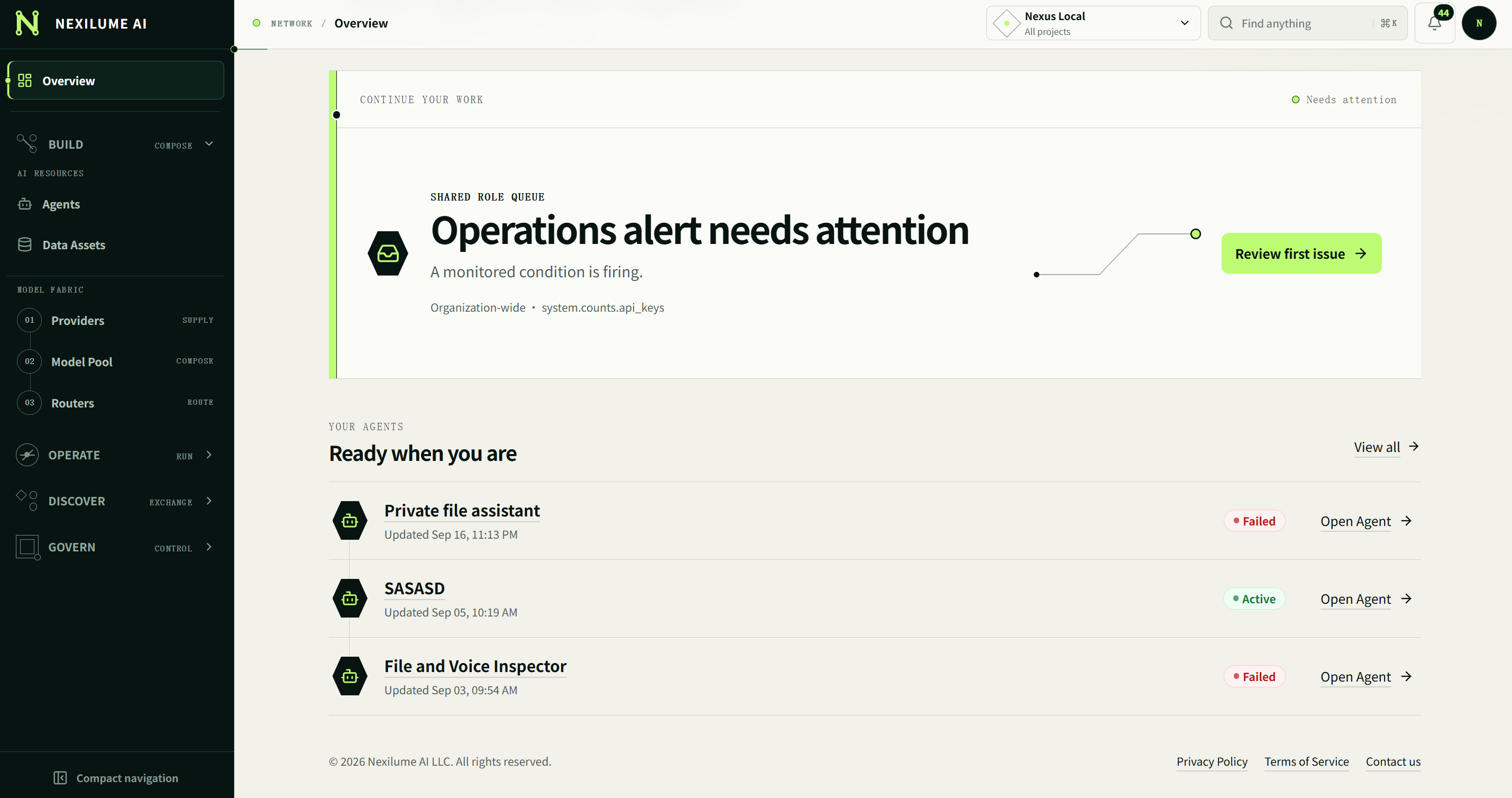
Track runs, inspect errors, review terminal output, and retrieve generated artifacts. Supported workflows can continue across turns while retaining their execution context.
Model API routing
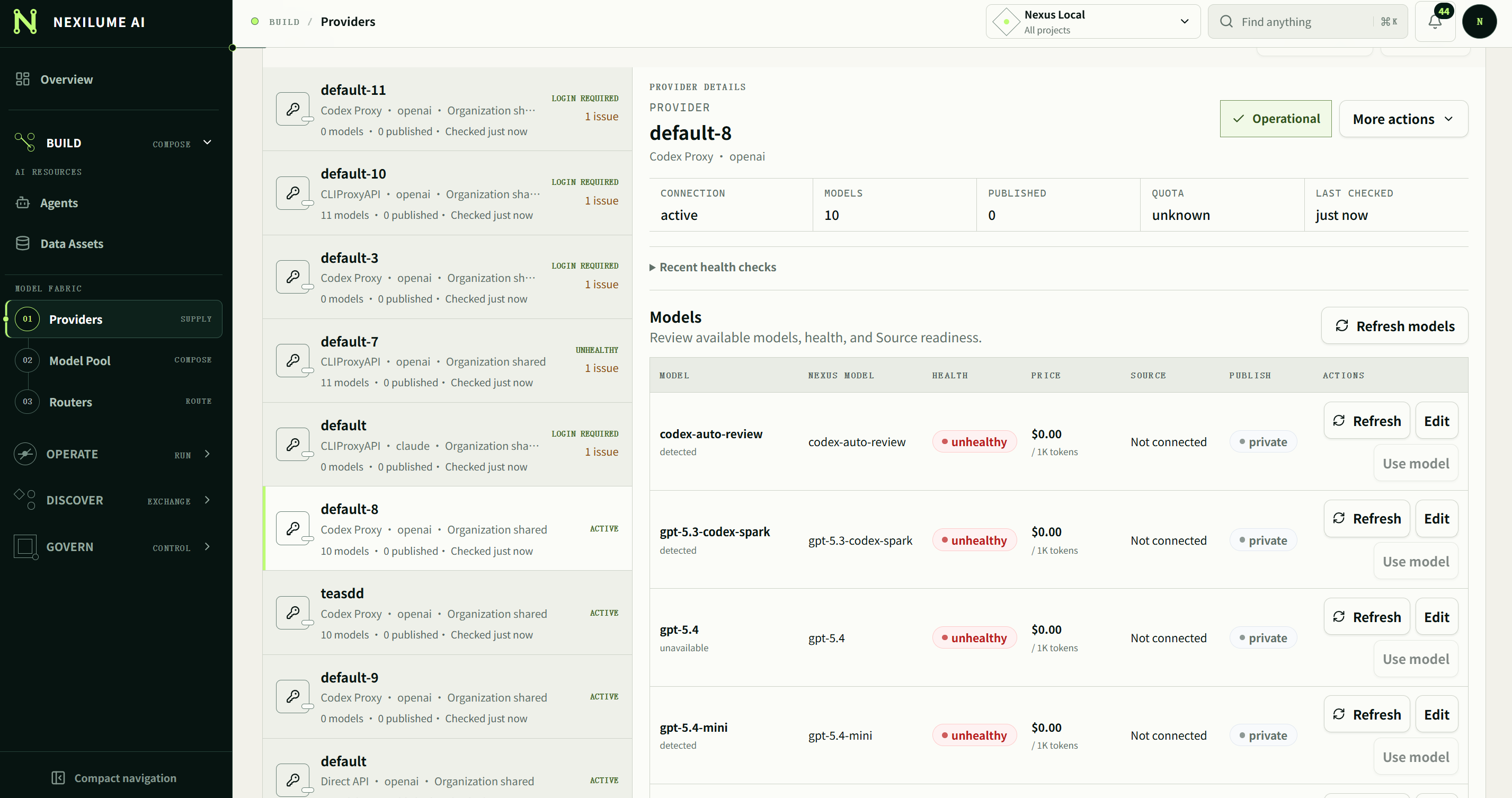
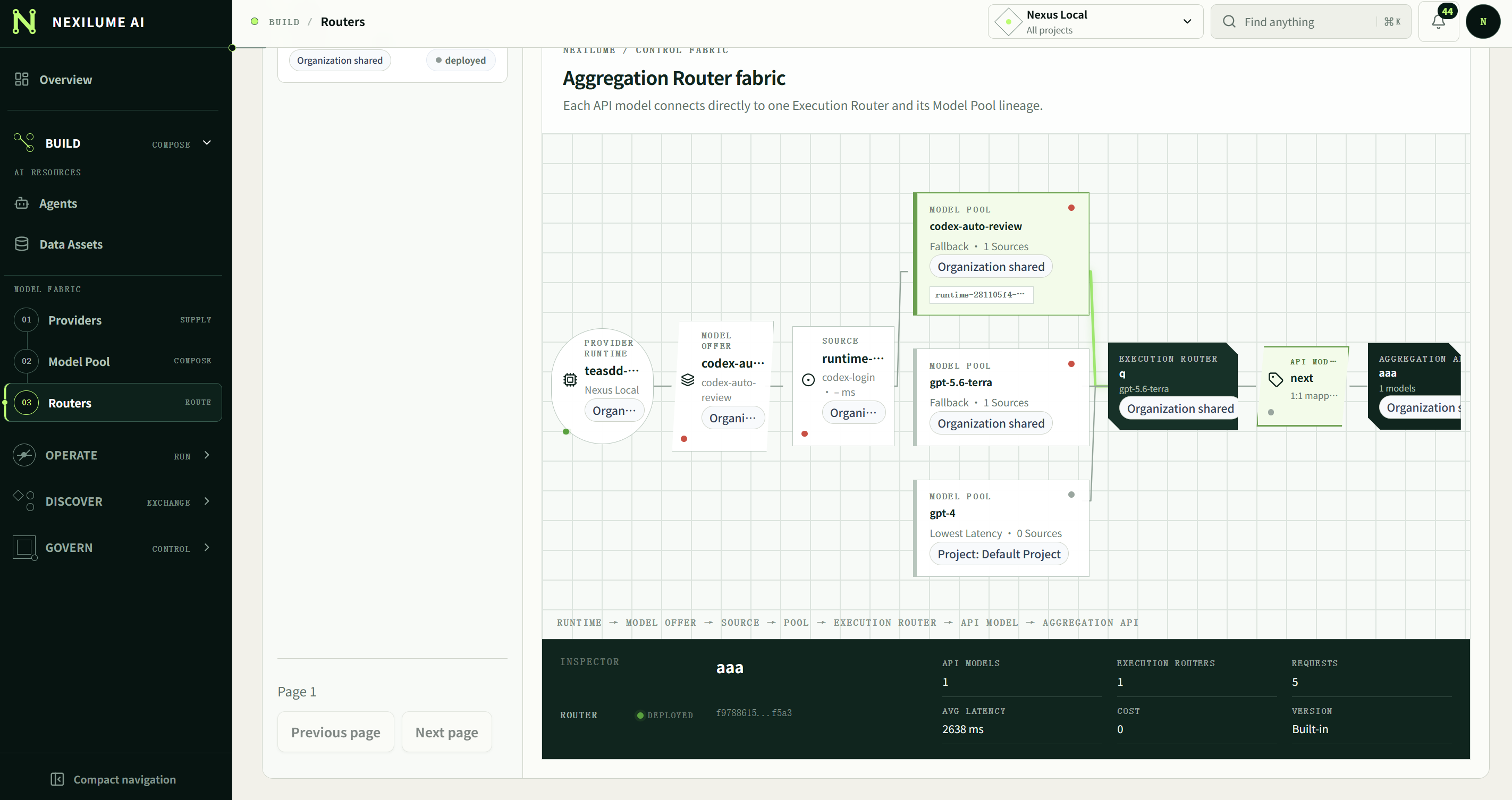
Connect model providers and organize access through Execution and Aggregation Routers, giving applications a consistent API for configured models.
Files and reusable data assets
Import files and images, preview supported formats, and archive agent-generated outputs into Data Assets, with scanning and access controls where configured.
Agent distribution and monetization
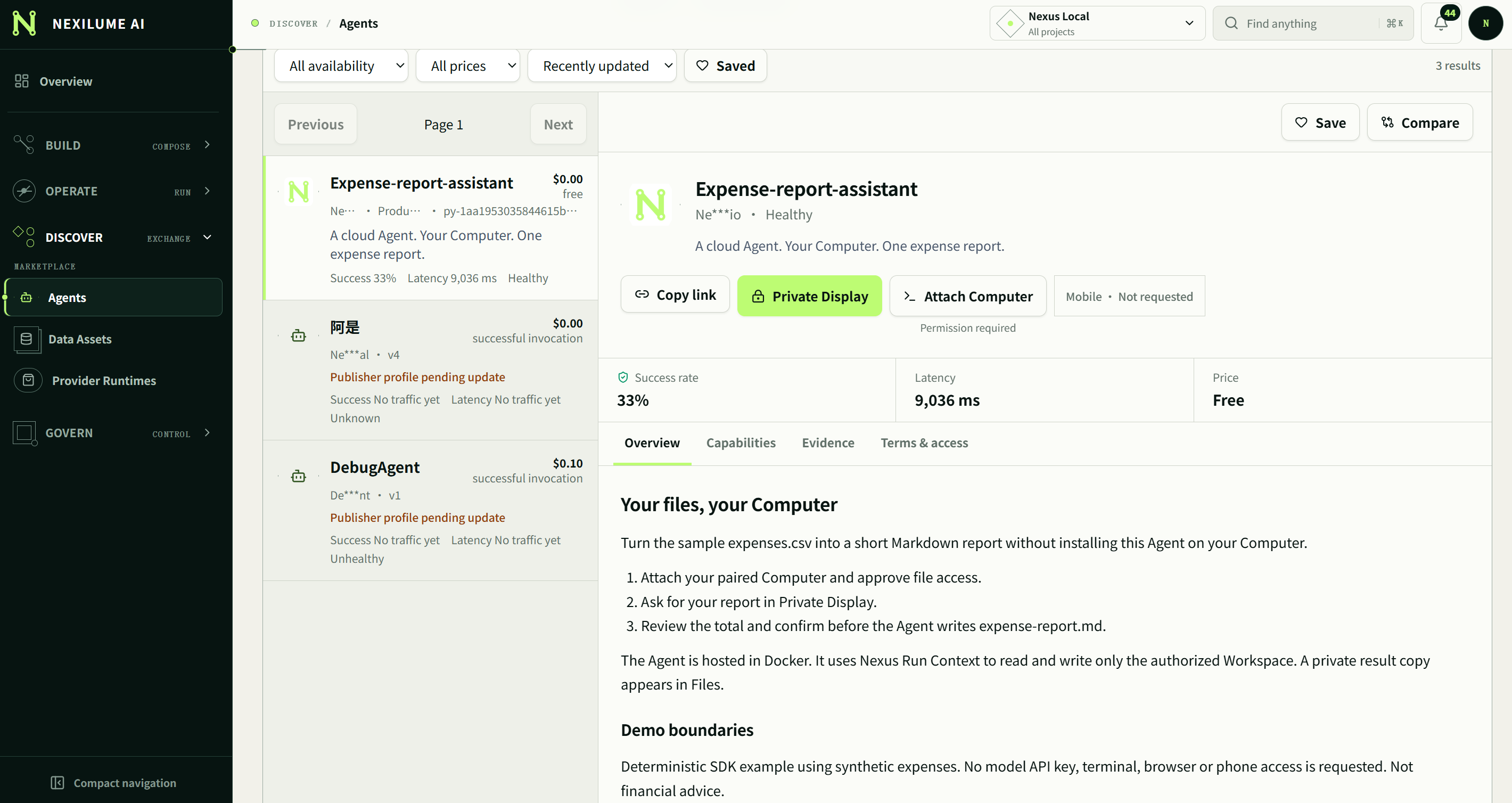
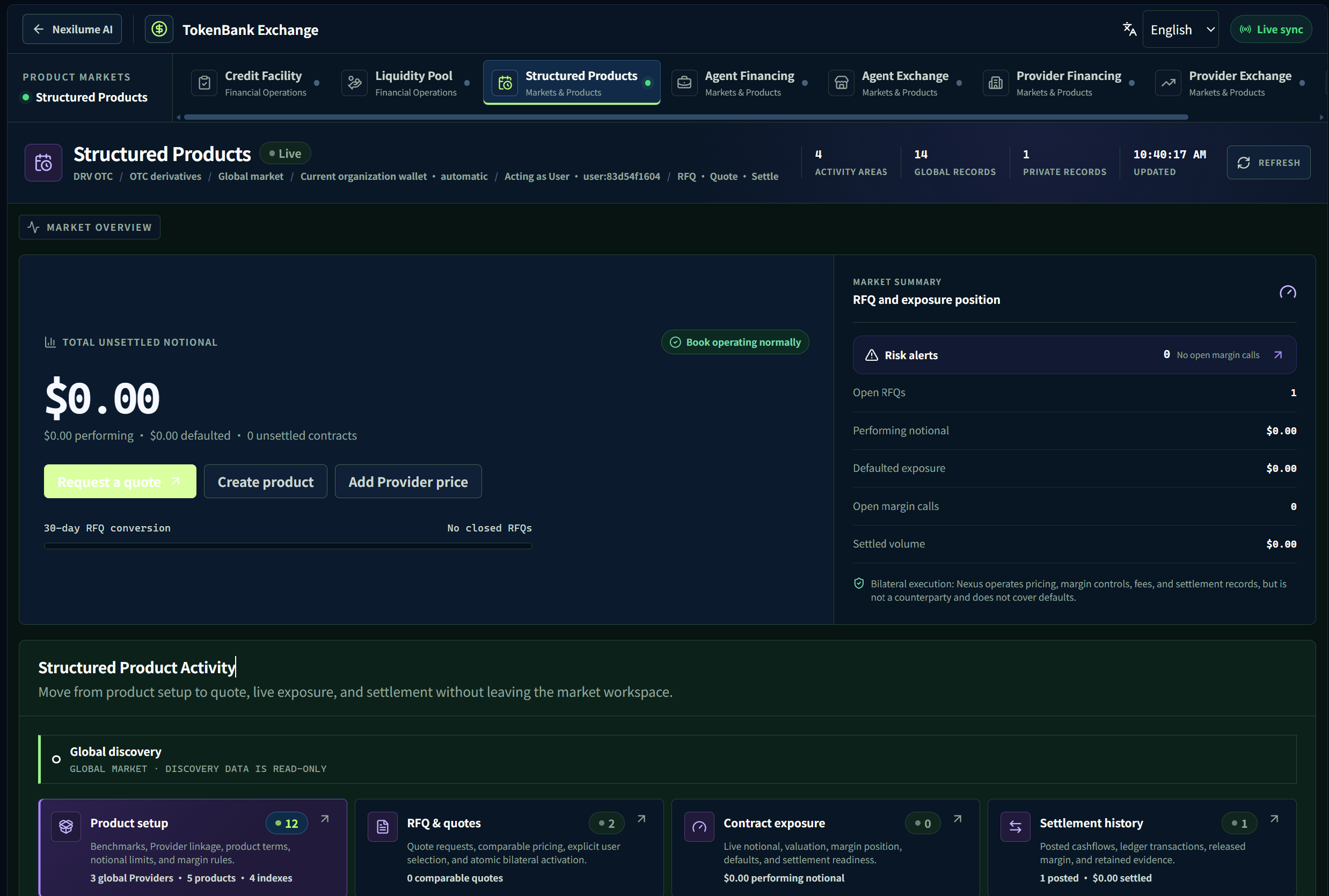
Publish agents through Marketplace and support fixed or agent-reported pricing in the commercial edition.
Use Cases
File assistants for other people
Deploy a report-writing agent once. Users attach their own computers, authorize a workspace, and ask it to analyze spreadsheets or generate documents without installing the agent itself.
Browser automation on the user’s computer
Build agents that navigate websites, fill forms, and collect results in an isolated browser on the Attached Computer, with screenshots and progress visible in Private Display.
Computer-to-phone workflows
Combine computer files and processing with authorized Android interactions—for example, prepare information on a computer and use it in a mobile workflow.
Developer and operations assistants
Let an agent inspect an approved workspace, execute authorized commands, analyze logs, and produce diagnostic reports while the user follows the work.
Edge-hosted agent services
Keep an agent on a developer machine or an OpenWrt-connected network and make it available through Nexus without moving its application into a Cloud container.
Shared agent products
Offer the same deployed agent to multiple users, with each caller supplying their own authorized devices, workspace, and private interaction session.
A unified model access layer
Bring multiple configured model providers behind Router APIs so applications can use consistent endpoints while routing policies remain centrally managed.

Comments


Hey everyone, I’m Cary, the maker of Nexus. Nexus started with a simple problem: the computer running an agent often isn’t the computer where the user needs something done. You can build a useful agent on your laptop or deploy it to a server. But sharing it with someone else gets complicated when it needs to work with their files, browser, or phone. You end up building device connections, permissions, a UI, and execution tracking around the agent itself. Nexus separates those two sides. Developers run their agents in the cloud or on their own machines, including behind NAT. Users connect their own computers or Android phones and authorize what an agent can do. For example, a developer can publish a file assistant once. Different people can then use that same agent with their own attached computers, each working in their own authorized environment. A shared interface handles the conversation, progress, questions, and outputs. Nexus isn’t another assistant—it’s the infrastructure for delivering agents to other people. You bring the agent logic and model; Nexus connects it to the user’s execution environment. A lot of the work behind the scenes has been less glamorous than the demo: reconnecting devices, handling interrupted runs, keeping callers isolated, and making failures understandable. Those details matter when someone other than the developer starts using an agent. We’re still in beta, and I’d love your feedback: what agent would you share with others if connecting to their devices and building the interaction UI were already handled?
Premium Products

































Sponsors
Buy
Makers
Makers
Comments
Hey everyone, I’m Cary, the maker of Nexus. Nexus started with a simple problem: the computer running an agent often isn’t the computer where the user needs something done. You can build a useful agent on your laptop or deploy it to a server. But sharing it with someone else gets complicated when it needs to work with their files, browser, or phone. You end up building device connections, permissions, a UI, and execution tracking around the agent itself. Nexus separates those two sides. Developers run their agents in the cloud or on their own machines, including behind NAT. Users connect their own computers or Android phones and authorize what an agent can do. For example, a developer can publish a file assistant once. Different people can then use that same agent with their own attached computers, each working in their own authorized environment. A shared interface handles the conversation, progress, questions, and outputs. Nexus isn’t another assistant—it’s the infrastructure for delivering agents to other people. You bring the agent logic and model; Nexus connects it to the user’s execution environment. A lot of the work behind the scenes has been less glamorous than the demo: reconnecting devices, handling interrupted runs, keeping callers isolated, and making failures understandable. Those details matter when someone other than the developer starts using an agent. We’re still in beta, and I’d love your feedback: what agent would you share with others if connecting to their devices and building the interaction UI were already handled?
Premium Products
New to Fazier?

Find your next favorite product or submit your own. Made by @FalakDigital.
Copyright ©2026. All Rights Reserved