
FeedJolt
One ranked feedback list from Slack, email and tickets
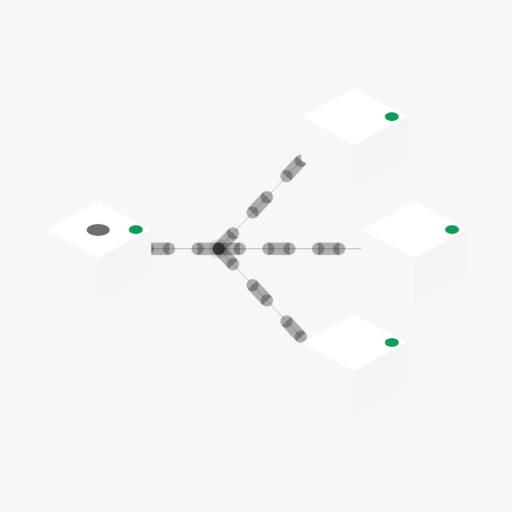
FeedJolt turns Slack threads, emails, tweets and tickets into one ranked feedback list. Semantic dedupe merges duplicates and combines votes, customers upvote, and daily Next Steps ranks items by ARR, renewal risk and blocked deals. Auto-syncs to Linear and GitHub.
Features
- Semantic dedupe merges duplicate feedback and combines votes
- Daily Next Steps ranks items by ARR, renewal risk and blocked deals
- Auto-sync to Linear and GitHub
- Flat price per workspace: whole team and every customer included
- 14-day trial, no credit card, self-serve setup
Use Cases
- Consolidate customer feedback from Slack, email and tickets
- Let customers upvote so the roadmap reflects real demand
- Close the loop by syncing prioritised next steps to Linear and GitHub

Comments

We built FeedJolt after triaging the same bug in three places: a Slack thread, a support ticket, and a tweet. Feedback was scattered, duplicated, and never ranked by what actually matters. FeedJolt merges duplicates semantically, lets customers upvote, and ranks your next steps by ARR, renewal risk and blocked deals every day — then syncs them straight into Linear and GitHub. Flat price per workspace, whole team and every customer included. We would love your blunt feedback on the triage flow and the public roadmap.

The semantic dedupe is the part that stands out for me — feedback scattered across Slack, email and tickets usually means the same request gets counted three times. Ranking the daily next steps by ARR and renewal risk also makes it clear what to build first, rather than just what is loudest. The auto-sync to Linear and GitHub would close the loop nicely.


The "duplicates problem" headline is a sharp reframe, and "no sales call" under the CTA is a nice touch for this crowd. One thing I'd move up: the part that sets you apart from every feedback board, ranking by ARR, renewal risk and blocked deals, only shows on the homepage as a line inside the diagram ("$80k ARR behind it"), while the yellow badge above the headline says "flat-rate feedback boards". Putting "ranked by ARR, renewal risk and blocked deals" into the subhead would tell a PM in five seconds why this isn't just another voting board.


The semantic dedupe is the part I'd want most. How does it handle requests that look alike but ask for different things, like "export to CSV" and "export to Google Sheets"? And if it merges two by mistake, can you split them again without losing the votes? Flat pricing per workspace is a nice touch too.


The semantic deduplication feature is a great idea. Bringing feedback from Slack, email, and support tickets into one place can make it much easier for teams to identify recurring customer needs. I also like the idea of prioritising feedback based on ARR and renewal risk. Does the Linear and GitHub sync work both ways?

Framing it as a duplicates problem rather than a feedback problem is spot on. The same request arriving via Slack, email and a ticket is exactly what breaks most boards. Showing a confidence score on auto-merge and keeping it opt-in is a good call. Question: when two requests get merged, do the original requesters all get notified when it ships? That close-the-loop step is where most tools fall short.




Ranking feedback by ARR and renewal risk instead of raw vote count is the part I find most useful: a request from three small free users and one from a churning big account should not weigh the same. Question: when semantic dedupe merges two items, can you see and undo the merge if it grouped two different requests by mistake?

How does Next Steps rank things for a product that has no revenue yet? Before launch there's no ARR or renewal risk to weigh, but there's plenty of feedback from waitlist signups and beta users. Weighting by the number of distinct people asking, or by segment, would make it useful from day one, not only once paying customers arrive.

Premium Products







































Sponsors
Buy
Makers
Makers
Comments
We built FeedJolt after triaging the same bug in three places: a Slack thread, a support ticket, and a tweet. Feedback was scattered, duplicated, and never ranked by what actually matters. FeedJolt merges duplicates semantically, lets customers upvote, and ranks your next steps by ARR, renewal risk and blocked deals every day — then syncs them straight into Linear and GitHub. Flat price per workspace, whole team and every customer included. We would love your blunt feedback on the triage flow and the public roadmap.
The semantic dedupe is the part that stands out for me — feedback scattered across Slack, email and tickets usually means the same request gets counted three times. Ranking the daily next steps by ARR and renewal risk also makes it clear what to build first, rather than just what is loudest. The auto-sync to Linear and GitHub would close the loop nicely.
The "duplicates problem" headline is a sharp reframe, and "no sales call" under the CTA is a nice touch for this crowd. One thing I'd move up: the part that sets you apart from every feedback board, ranking by ARR, renewal risk and blocked deals, only shows on the homepage as a line inside the diagram ("$80k ARR behind it"), while the yellow badge above the headline says "flat-rate feedback boards". Putting "ranked by ARR, renewal risk and blocked deals" into the subhead would tell a PM in five seconds why this isn't just another voting board.
The semantic dedupe is the part I'd want most. How does it handle requests that look alike but ask for different things, like "export to CSV" and "export to Google Sheets"? And if it merges two by mistake, can you split them again without losing the votes? Flat pricing per workspace is a nice touch too.
The semantic deduplication feature is a great idea. Bringing feedback from Slack, email, and support tickets into one place can make it much easier for teams to identify recurring customer needs. I also like the idea of prioritising feedback based on ARR and renewal risk. Does the Linear and GitHub sync work both ways?
Framing it as a duplicates problem rather than a feedback problem is spot on. The same request arriving via Slack, email and a ticket is exactly what breaks most boards. Showing a confidence score on auto-merge and keeping it opt-in is a good call. Question: when two requests get merged, do the original requesters all get notified when it ships? That close-the-loop step is where most tools fall short.
Ranking feedback by ARR and renewal risk instead of raw vote count is the part I find most useful: a request from three small free users and one from a churning big account should not weigh the same. Question: when semantic dedupe merges two items, can you see and undo the merge if it grouped two different requests by mistake?
How does Next Steps rank things for a product that has no revenue yet? Before launch there's no ARR or renewal risk to weigh, but there's plenty of feedback from waitlist signups and beta users. Weighting by the number of distinct people asking, or by segment, would make it useful from day one, not only once paying customers arrive.
Premium Products
New to Fazier?

Find your next favorite product or submit your own. Made by @FalakDigital.
Copyright ©2026. All Rights Reserved