Demandletter.ai helps everyday Americans get their money back without a lawyer. Describe your dispute—a withheld security deposit, unpaid wages, a contractor who vanished with your deposit, any 2,000–10,000 small claim—and AI drafts a formal demand letter citing your state's laws. We print it and mail it via USPS Certified Mail with tracking, in about 5 minutes. A formal document makes the other side take you seriously, and it gives the side that actually wants to help an internal reason to pay. No lawyers, no courtrooms, no swallowing the loss.

Features
- AI writes a formal demand letter tailored to your state's law (all 50 states plus DC)
- We mail it by USPS certified mail with tracking — you never touch a printer or a post office
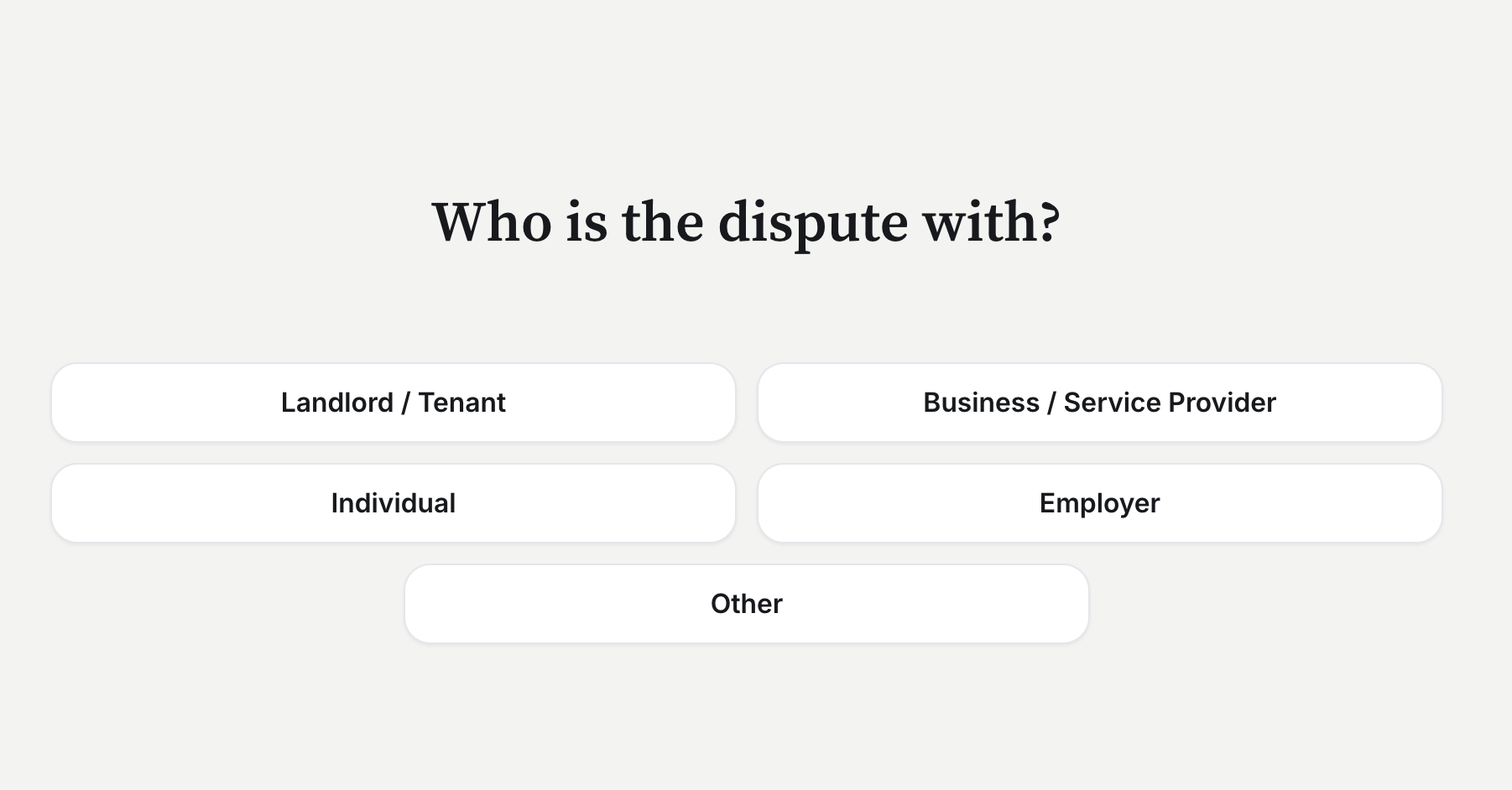
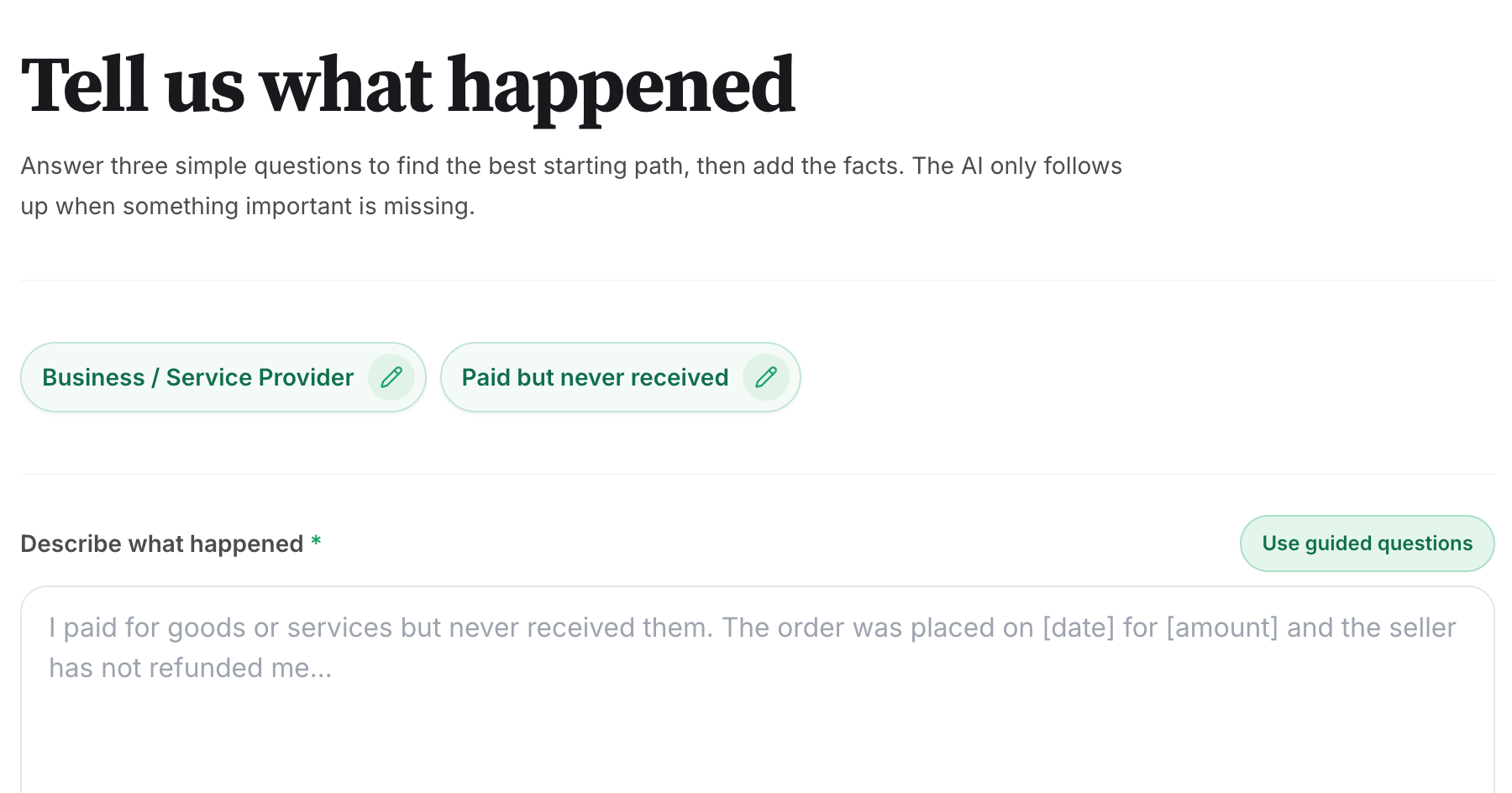
- Guided questionnaire covers the common small-claims situations: deposits, unpaid wages, refunds, damaged or undelivered goods
- The letter names the specific law the other side is violating and what happens if they don't pay
- Delivery tracking shows you exactly when the letter lands
Use Cases
- Your landlord won't return your security deposit
- Your employer stopped paying your wages
- A client won't pay an invoice you already sent
- A business kept your deposit and never did the job
- A company won't refund a product or service you paid for
- You're stuck in a slow dispute over a damaged item or a cancelled order

Comments


Hey everyone — I built Demandletter.ai because I kept watching people lose deposits, unpaid wages, and refunds they could have recovered. Quick example: I once asked a business for 5 , 000 a n d s e t t l e d f o r 5,000andsettledfor3,000. The difference was leverage. I had none, just emails they ignored. A formal demand letter changes that: it tells the other side exactly what they owe, which law they're violating, and what happens next if they don't pay. Businesses would rather settle than find out. That's the whole product. You answer a few questions about what happened, Demandletter.ai writes the letter for your state (all 50 states plus DC), and we mail it by certified mail so the other side knows this is serious. No filing fees, no court dates, no lawyer. Delivery is tracked, so you see when it lands. The part that surprised me: around 65-75% of disputes settle or resolve after the letter goes out. That number is why I'm launching this publicly instead of keeping it as an internal tool. If you've ever let a deposit or an unpaid invoice go because fighting it felt too complicated, I'd like to hear your story. Ask me anything about the letters, the pricing, or whether your situation fits.


The value proposition is very clear, especially for people dealing with relatively small disputes where hiring a lawyer immediately may not make financial sense. I’d be interested to know how the tool handles jurisdiction differences and whether it clearly separates general drafting assistance from legal advice.

The thing that stands out here is the outsourced friction removal. Most small claim situations die because the barrier to action is higher than the disputed amount feels worth - you'd need to find a lawyer template, customize it, figure out the local rules, actually print it, get it notarized or certified, then mail it correctly. By handling that entire back-half (printing, certified mail, tracking), you remove the inertia that kills most disputes. The guided questionnaire approach is solid too - people often don't know what information to include or what legal angle to take. Knowing that 65-75% of disputes resolve after a formal letter lands feels like proof that leverage works, but most people never try because the friction is too high. If the drafting quality holds up across different state laws and edge cases, this becomes genuinely useful infrastructure for small business owners and renters who lose money to disputes they could actually win.

Demand Letter Generator Your product has strong potential, but I found a few key improvements that could make it even better. I'd love to share my feedback and suggestions—please contact me at [email protected].

The value proposition is very clear, especially for people dealing with relatively small disputes where hiring a lawyer immediately may not make financial sense. I’d be interested to know how the tool handles jurisdiction differences and whether it clearly separates general drafting assistance from legal advice.

This is a genuinely useful gap to fill. I went through a period myself where I lost money to a situation like this and had no real path forward, hiring a lawyer for a small claim usually costs more than the claim itself, so most people just eat the loss and move on. Having something that produces an actual formal, state-specific letter in minutes changes the math entirely, since the letter itself is often what gets someone to pay before it ever needs to escalate. The USPS certified mail piece is the detail that makes this feel complete rather than half-built, a lot of tools would stop at "here's your letter, good luck," but tracked delivery is what actually gives it legal weight and follow-through. Curious how you're handling edge cases where state law caps small claims differently, does the AI adjust the tone or citations based on the claim amount, or just the underlying statute?

As a solo creator who sells to small businesses, the 'describe your dispute, get a formal letter' format is genuinely useful — most freelancers and Etsy sellers have unpaid-invoice or deposit problems and can't afford a lawyer. The 2,000–10,000 small-claim range is exactly the gap. One thing that would strengthen it: a short 'evidence checklist' after the letter so users know what to attach when they actually file.
Bundling the drafting with USPS Certified Mail is the smart part here: most people stall at the printing-and-mailing step, and the tracked delivery date is what actually matters if the claim later goes to small claims court. Citing the specific state statute also makes the letter read as credible rather than a template. Suggestion: after delivery, offer a follow-up nudge, e.g. an auto-reminder at day 14 with a prefilled small-claims filing checklist for that state. Do you show a preview of the letter before payment, or is the state-specific language only visible after checkout?
This is really useful for the landlord-dispute use case. I like that it walks you through the demand letter structure instead of just dumping boilerplate, and the small-claim focus (2k-10k) is a smart niche most legal tools ignore. Being able to describe the dispute and get a formatted letter back is a big time-saver for people who want to avoid lawyer costs.

The certified-mail part makes this much more interesting than just another AI letter generator. You’re taking it all the way from drafting to something the other side actually receives. I’d probably want a very clear preview of the legal sources being cited before sending, but the overall flow makes a lot of sense.

Premium Products









































Sponsors
Buy

Awards
View all
Awards
View allMakers
Makers
Comments
Hey everyone — I built Demandletter.ai because I kept watching people lose deposits, unpaid wages, and refunds they could have recovered. Quick example: I once asked a business for 5 , 000 a n d s e t t l e d f o r 5,000andsettledfor3,000. The difference was leverage. I had none, just emails they ignored. A formal demand letter changes that: it tells the other side exactly what they owe, which law they're violating, and what happens next if they don't pay. Businesses would rather settle than find out. That's the whole product. You answer a few questions about what happened, Demandletter.ai writes the letter for your state (all 50 states plus DC), and we mail it by certified mail so the other side knows this is serious. No filing fees, no court dates, no lawyer. Delivery is tracked, so you see when it lands. The part that surprised me: around 65-75% of disputes settle or resolve after the letter goes out. That number is why I'm launching this publicly instead of keeping it as an internal tool. If you've ever let a deposit or an unpaid invoice go because fighting it felt too complicated, I'd like to hear your story. Ask me anything about the letters, the pricing, or whether your situation fits.
The value proposition is very clear, especially for people dealing with relatively small disputes where hiring a lawyer immediately may not make financial sense. I’d be interested to know how the tool handles jurisdiction differences and whether it clearly separates general drafting assistance from legal advice.
The thing that stands out here is the outsourced friction removal. Most small claim situations die because the barrier to action is higher than the disputed amount feels worth - you'd need to find a lawyer template, customize it, figure out the local rules, actually print it, get it notarized or certified, then mail it correctly. By handling that entire back-half (printing, certified mail, tracking), you remove the inertia that kills most disputes. The guided questionnaire approach is solid too - people often don't know what information to include or what legal angle to take. Knowing that 65-75% of disputes resolve after a formal letter lands feels like proof that leverage works, but most people never try because the friction is too high. If the drafting quality holds up across different state laws and edge cases, this becomes genuinely useful infrastructure for small business owners and renters who lose money to disputes they could actually win.
Demand Letter Generator Your product has strong potential, but I found a few key improvements that could make it even better. I'd love to share my feedback and suggestions—please contact me at [email protected].
The value proposition is very clear, especially for people dealing with relatively small disputes where hiring a lawyer immediately may not make financial sense. I’d be interested to know how the tool handles jurisdiction differences and whether it clearly separates general drafting assistance from legal advice.
This is a genuinely useful gap to fill. I went through a period myself where I lost money to a situation like this and had no real path forward, hiring a lawyer for a small claim usually costs more than the claim itself, so most people just eat the loss and move on. Having something that produces an actual formal, state-specific letter in minutes changes the math entirely, since the letter itself is often what gets someone to pay before it ever needs to escalate. The USPS certified mail piece is the detail that makes this feel complete rather than half-built, a lot of tools would stop at "here's your letter, good luck," but tracked delivery is what actually gives it legal weight and follow-through. Curious how you're handling edge cases where state law caps small claims differently, does the AI adjust the tone or citations based on the claim amount, or just the underlying statute?
As a solo creator who sells to small businesses, the 'describe your dispute, get a formal letter' format is genuinely useful — most freelancers and Etsy sellers have unpaid-invoice or deposit problems and can't afford a lawyer. The 2,000–10,000 small-claim range is exactly the gap. One thing that would strengthen it: a short 'evidence checklist' after the letter so users know what to attach when they actually file.
Bundling the drafting with USPS Certified Mail is the smart part here: most people stall at the printing-and-mailing step, and the tracked delivery date is what actually matters if the claim later goes to small claims court. Citing the specific state statute also makes the letter read as credible rather than a template. Suggestion: after delivery, offer a follow-up nudge, e.g. an auto-reminder at day 14 with a prefilled small-claims filing checklist for that state. Do you show a preview of the letter before payment, or is the state-specific language only visible after checkout?
This is really useful for the landlord-dispute use case. I like that it walks you through the demand letter structure instead of just dumping boilerplate, and the small-claim focus (2k-10k) is a smart niche most legal tools ignore. Being able to describe the dispute and get a formatted letter back is a big time-saver for people who want to avoid lawyer costs.
The certified-mail part makes this much more interesting than just another AI letter generator. You’re taking it all the way from drafting to something the other side actually receives. I’d probably want a very clear preview of the legal sources being cited before sending, but the overall flow makes a lot of sense.
Premium Products
New to Fazier?

Find your next favorite product or submit your own. Made by @FalakDigital.
Copyright ©2026. All Rights Reserved